Author: sharonstjoan
Poet, writer, and advocate for wildlife, wild lands, and the earth. President, Forest Voices of India - a U.S.-based group which aids charities in India that further education, culture, the well-being of women, children, and animals, and the restoration of sacred groves.
websites:
https://wordpress.com/view/forestvoicesofindia.com
https://wordpress.com/view/echoesinthemist.com
https://wordpress.com/view/wildvoices.world
book: Glimpses of Kanchi
https://www.amazon.com/Glimpses-Kanchi-Sharon-St-Joan/dp/1982901179/ref=sr_1_1?keywords=Glimpses+of+Kanchi&qid=1581769003&sr=8-1
China’ s Vision Of A Network Of National Parks

The New York Times reported on China’s plan to develop 450 sites as part of a national park program to preserve its natural treasures. Like the U.S. they are struggling with balancing protecting natural spaces while sharing them with the public. Not unlike the U.S. conservation efforts have been in conflict with moneymaking ventures by concessionaires. Read story at With U.S. as a Model, China Envisions Network of National Parks – NYTimes.com.
Thousands of Spanish hunting dogs are killed or abandoned each winter

Elegant, regal, and admired for their intense speeds, dogs in the 18th century — primarily greyhounds — were often used as hunting dogs in rural Spain during the winter. But over the centuries and in recent years it has been estimated that over 50,000 dogs have been put down or abandoned in open fields left to die at the end of the hunting season because they are considered too old or slow to hunt again, or too expensive to care for.
Photographer and longtime animal activist Martin Usborne reached his Kickstarter goal toward publishing the forthcoming book “Where Hunting Dogs Rest” (U.S release scheduled for September) on June 4. In the book, Uborne captures achingly beautiful portraits of hunting dogs rescued from an unfortunate end.
GOOSEWATCH NYC: Great news! The swan bill passed the NY legislature!
Today the New York State Assembly will vote on swan plan
Driving Etiquette Amongst Wild Elephants~

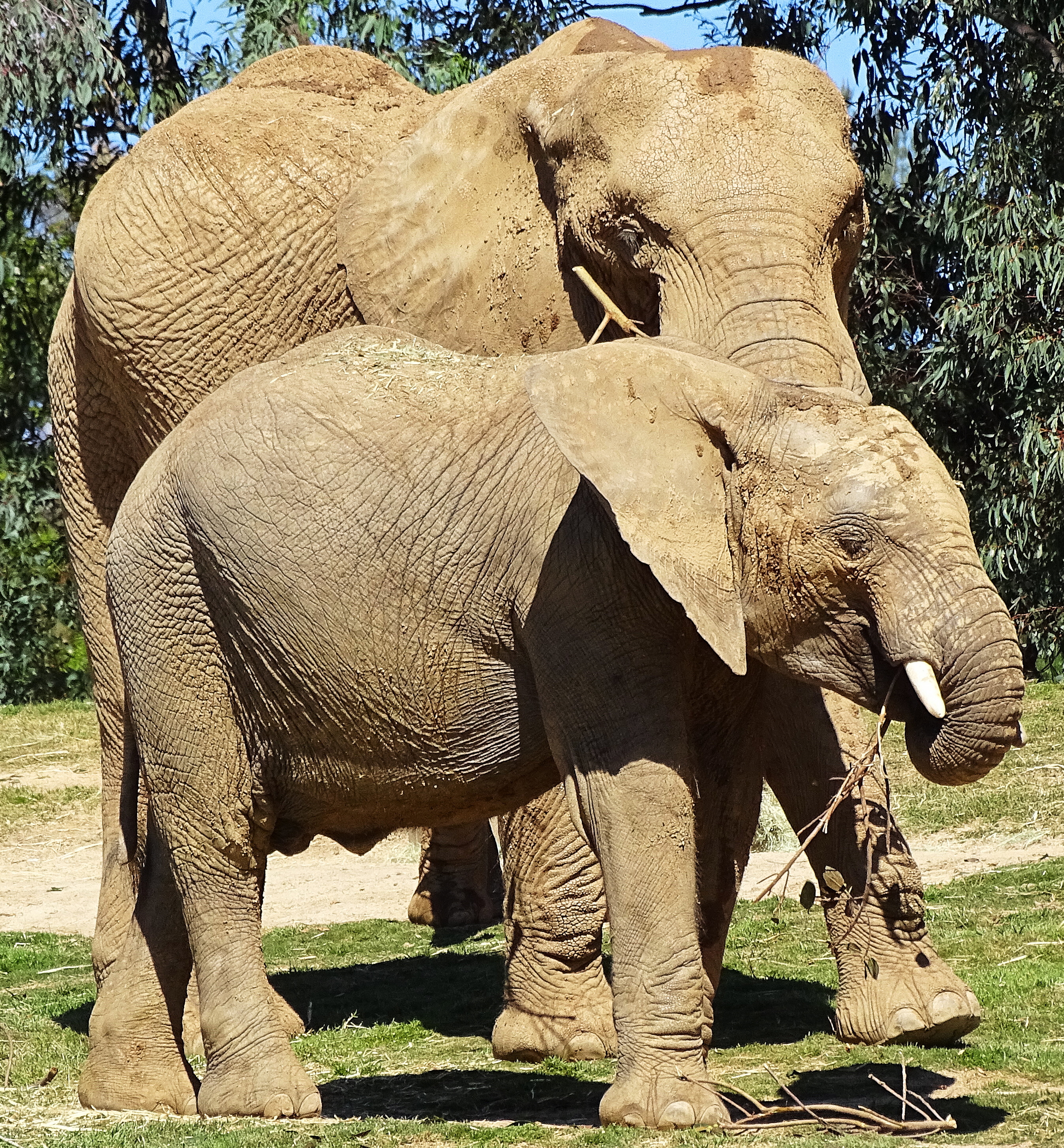
It is important to know proper etiquette when self driving among ellies. First you need to know that elephants love to eat and run,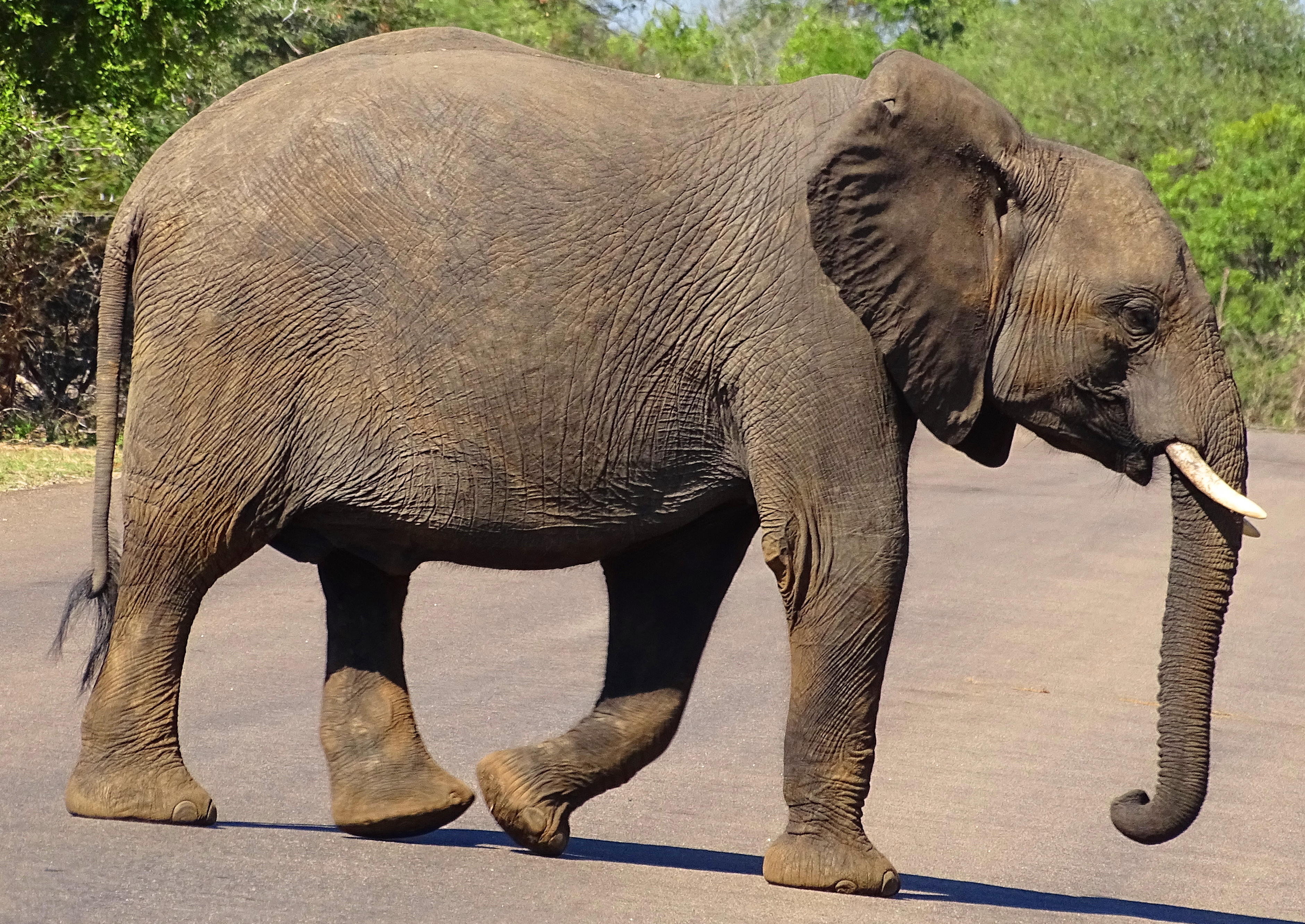
and they love to cross roads.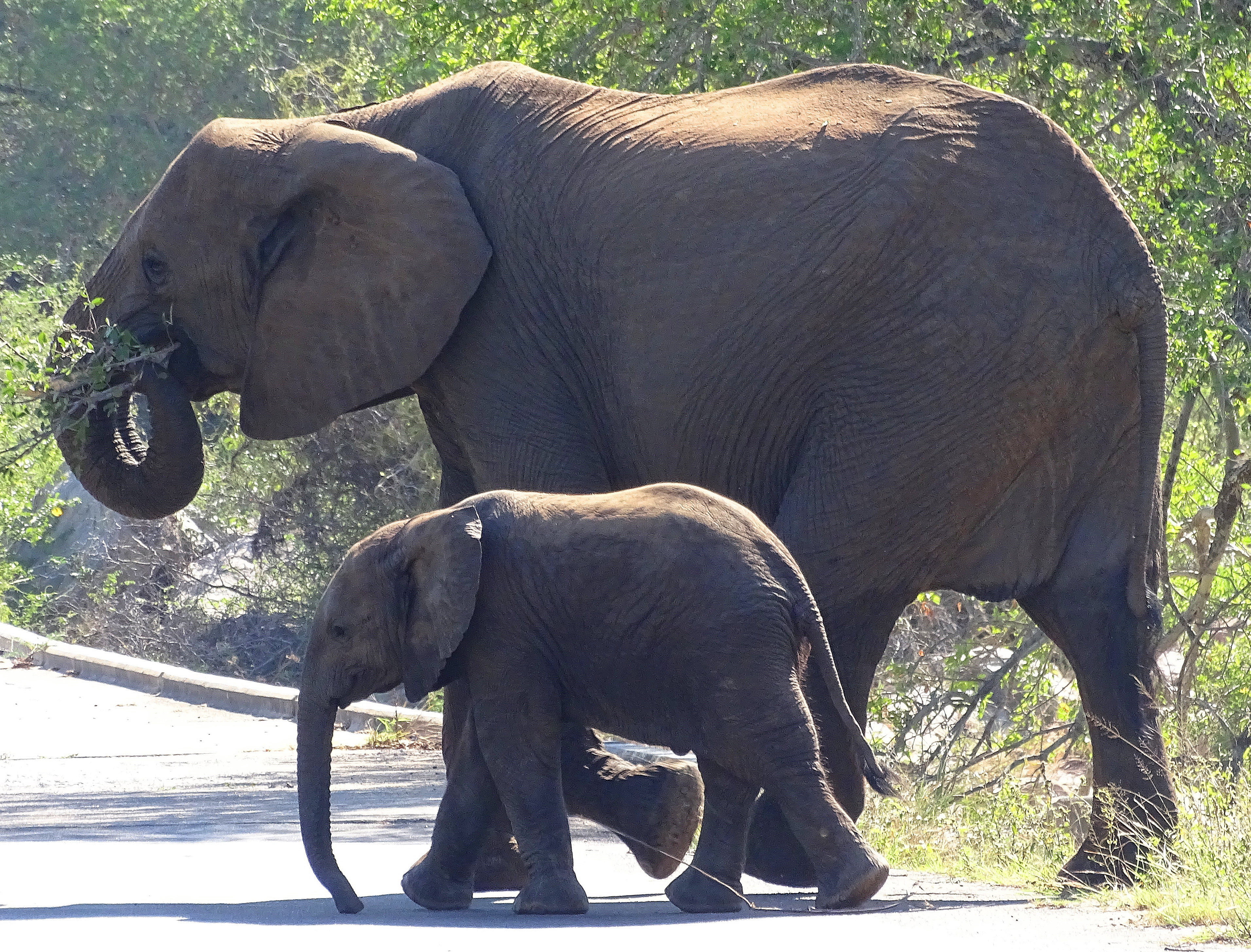
They especially love eating and running whilst crossing roads.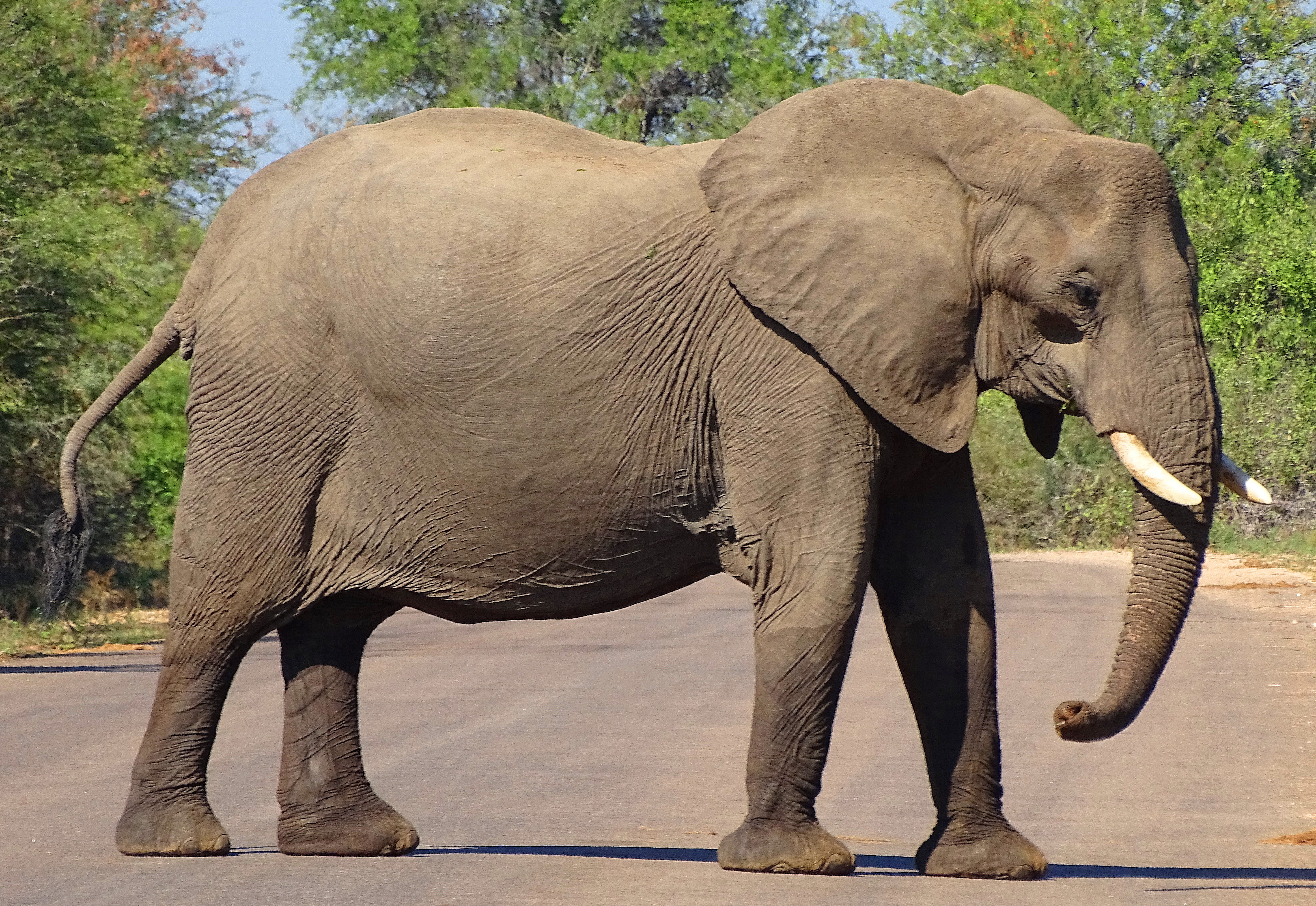
But more than all these things combined, they love to block roads. What do you do when an elephant blocks the road?
You wait.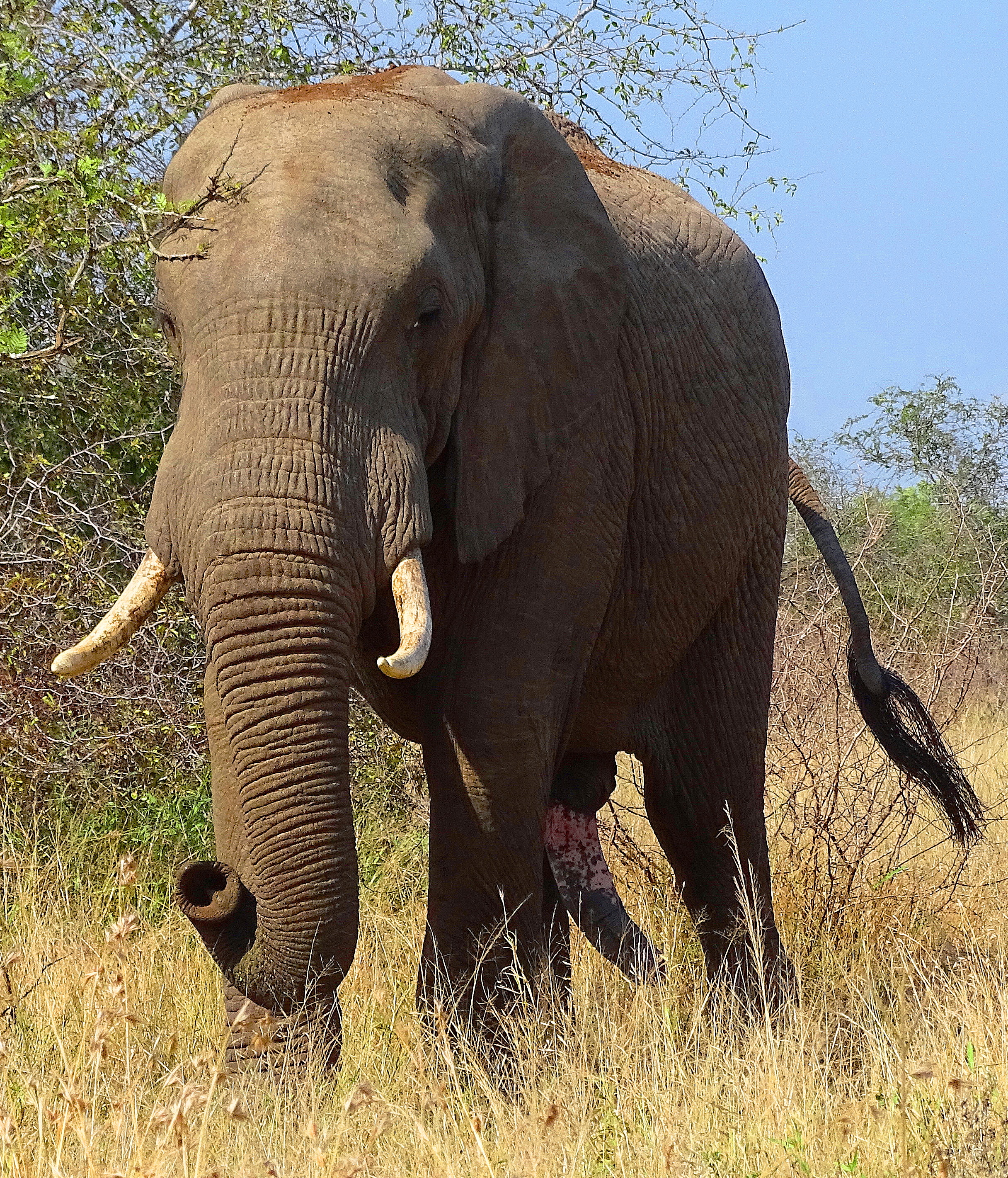
The worst thing of course is to inadvertently block the path of an irritable, lone bull elephant in musk, in pursuit of his disinterested, and fast disappearing, beloved.
What do you do when this happens?
Pray you can get the heck out of his way.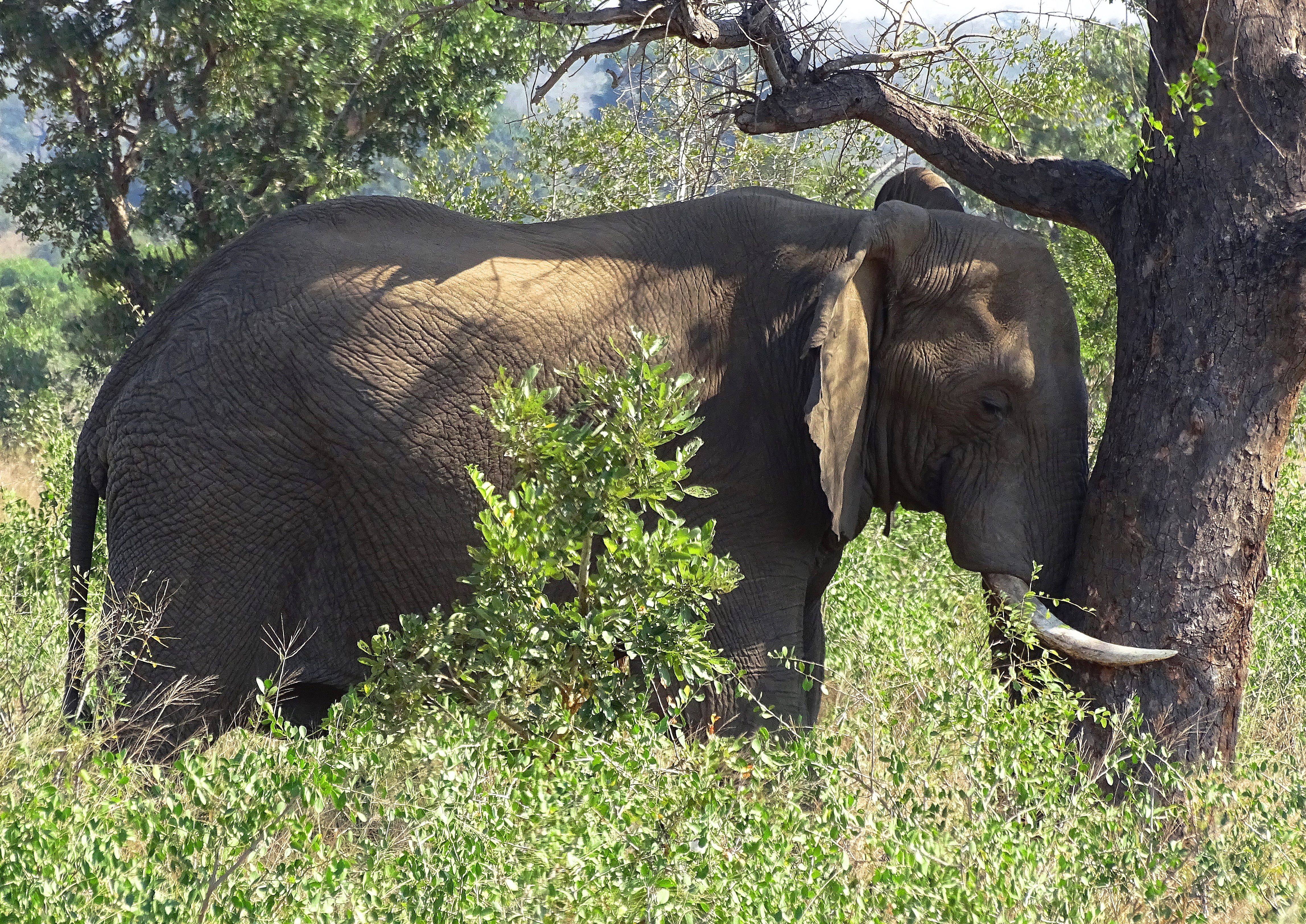
Elephants love to knock over trees, and they even love to try and knock over trees, they can’t knock over.
What do you do when this happens?
Watch, until the ellie gets really frustrated at the tree, and then get the heck…
View original post 43 more words
Blue Cross of India – Early days

 Mrs. Usha Sundaram and Captain Sundaram
By Sharon St Joan
This is one of a series of stories about the early days of the animal welfare movement in India.
Blue Cross of India, in Chennai (Madras), was the first of the modern-style animal shelters in India.
For thousands of years in India, there have been goshalas, or sanctuaries for cows, and these still exist; many are run by the Jain community.
 The Emperor Asoka
Around 300 BC, the emperor Asoka was the first animal activist known to history. He set up pillars all over India, some of which are still in place, with inscriptions of animal welfare laws that are to be followed. The first veterinary hospitals in the world were introduced by Asoka, with a requirement that the remedies to be used were to be based on the natural healing properties of plants.
As the first of the modern…
View original post 1,032 more words
Dr. Goodall Applauds China’s Action to End the Domestic Sale of Ivory
Monday, June 1, 2015 – 11:53am

In a statement from today, Dr. Jane Goodall congratulates China on their announcement to end the domestic sale of ivory. Dr. Goodall and the Jane Goodall Institute appluad the government’s destruction of 1,500 pounds of their ivory stocks, expressing their commitment to supporting the international action against the poaching of elephants and rhinos.
 |
If we could stop the demand from the world’s two largest ivory markets – China and the United States – we could turn the tide on illegal poaching. Illegal poaching has taken 64 percent of Central Africa’s elephants in the last decade alone. The only way we will put an end to this senseless slaughter is to put an end to the market for ivory. I applaud China’s action and urge them to do more in hopes that other countries will follow their lead, both in banning… |
View original post 44 more words
Endangered Species Aren’t the Only Ones Who Matter
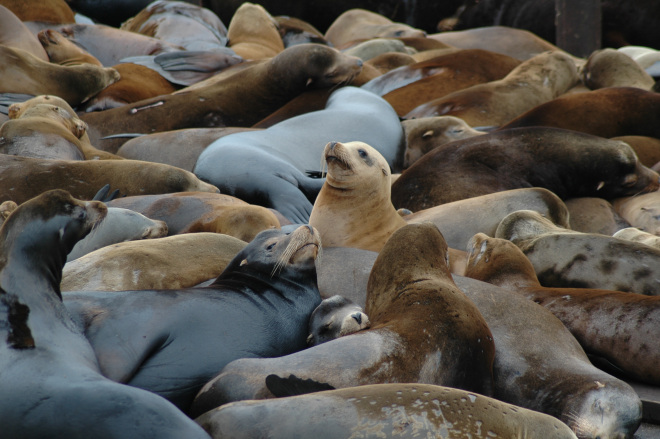 Text and Wildlife Photography ©Jim Robertson, 2015. All Rights Reserved
I’m getting kind of tired of hearing people talk about endangered species, as though they’re the only non-human animals they care about: ‘How dare some species do well or even begin to recover—it must be their fault that my favorite species is endangered.’
And if the endangered are a species people like to eat (such as salmon), then forget that humans sent them down the road to extinction by building dams along the rivers and heating up the planet so the spawning streams dry up or are too warm for fish eggs: ‘If some other non-human occasionally eats said endangered species, let’s wipe them out too.’
Scapegoating is happening to sea lions, to cormorants and to barred owls. Most people understand so little about the workings of nature that they forget they (all 7.3 billion of them) are a part…
View original post 169 more words
Lax Kw’alaams First Nation Opposes Eagle Spirit Energy Pipeline
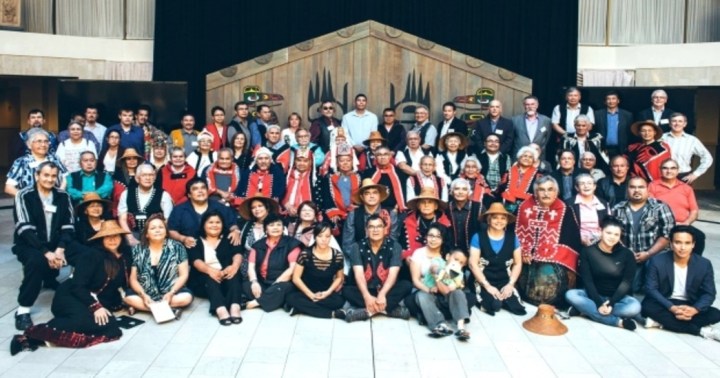

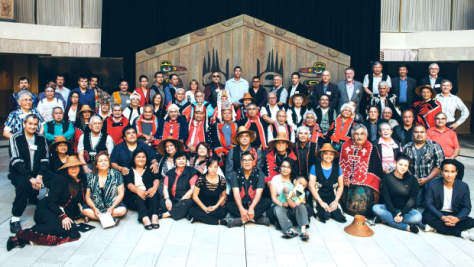 The Eagle Spirit Energy company meet with representatives of 30 First Nations over the weekend. (Eagle Spirit Energy)
Company claims its pipeline has support from 200 representatives of 30 First Nations
A First Nation in B.C. is contradicting recent claims from Eagle Spirit Energy about its support for a pipeline that would transport crude oil through its territory from Alberta to B.C.’s northwest coast.
Eagle Spirit Energy met with dozens of First Nations communities last weekend. On Tuesday, it announced that 200 representatives from 30 First Nations, including the Lax Kw’alaams, spoke out in support of the company’s proposed pipeline project.
But Lax Kw’alaams Mayor Garry Reece says that’s not entirely correct.
“That’s not the case,” said Reece. “There’s some that support it, yeah, but that’s a handful of them.”
Eagle Spirit Energy calls the coastal Lax Kw’alaams community a key to its proposed pipeline — as it’s the region to which oil from Alberta would be…
View original post 89 more words
 Art, animals, and the earth