Federal Judge Voids Permits for Searchlight Wind Project

GarryRogers's avatarGarryRogers Nature Conservation

November 2, 2015 – Searchlight NV – Last Friday, U.S. District Court Judge Miranda Du vacated the federal permits for construction of the Searchlight Wind Project in Southern Nevada. Judge Du found that environmental analyses prepared by the Bureau of Land Management (BLM) and U.S. Fish & Wildlife Service (USFWS) inadequately evaluated the dangers that the industrial-scale wind project would pose to desert wildlife. She cited data missing from the agency surveys, inadequate assessment of potential threats to golden eagles, desert tortoises, and bats, and the need for additional explanation of the agencies’ conclusions. If the developer, Apex Clean Energy, wants to proceed with the project, the BLM would need to prepare a new Environmental Impact Statement to address the deficiencies she identified. The USFWS would also have to prepare a new Biological Opinion. This important decision will protect eagles nesting near the project site, the highest-density desert tortoise habitat…

View original post 127 more words

Justice for Cecil Act Passes!

Exposing the Big Game's avatarExposing the Big Game

BREAKING: The US House of Representatives just voted to pass H.R.2494, the Global Anti-#Poaching Act. Special thanks to House Foreign Affairs Committee Chairman Ed Royce and Ranking Member Eliot Engel for introducing the Act and championing it through to a vote. Building off the momentum from the Enough Project’s event on the Hill last week, this act is a crucial step in the effort to break the links between wildlife trafficking networks and mass atrocities. This is an incredible victory, and one YOU made happen! This is truly Justice For Cecil The Lion!

View original post

Mitseadazi~

cindy knoke's avatarCindy Knoke

DSC05085
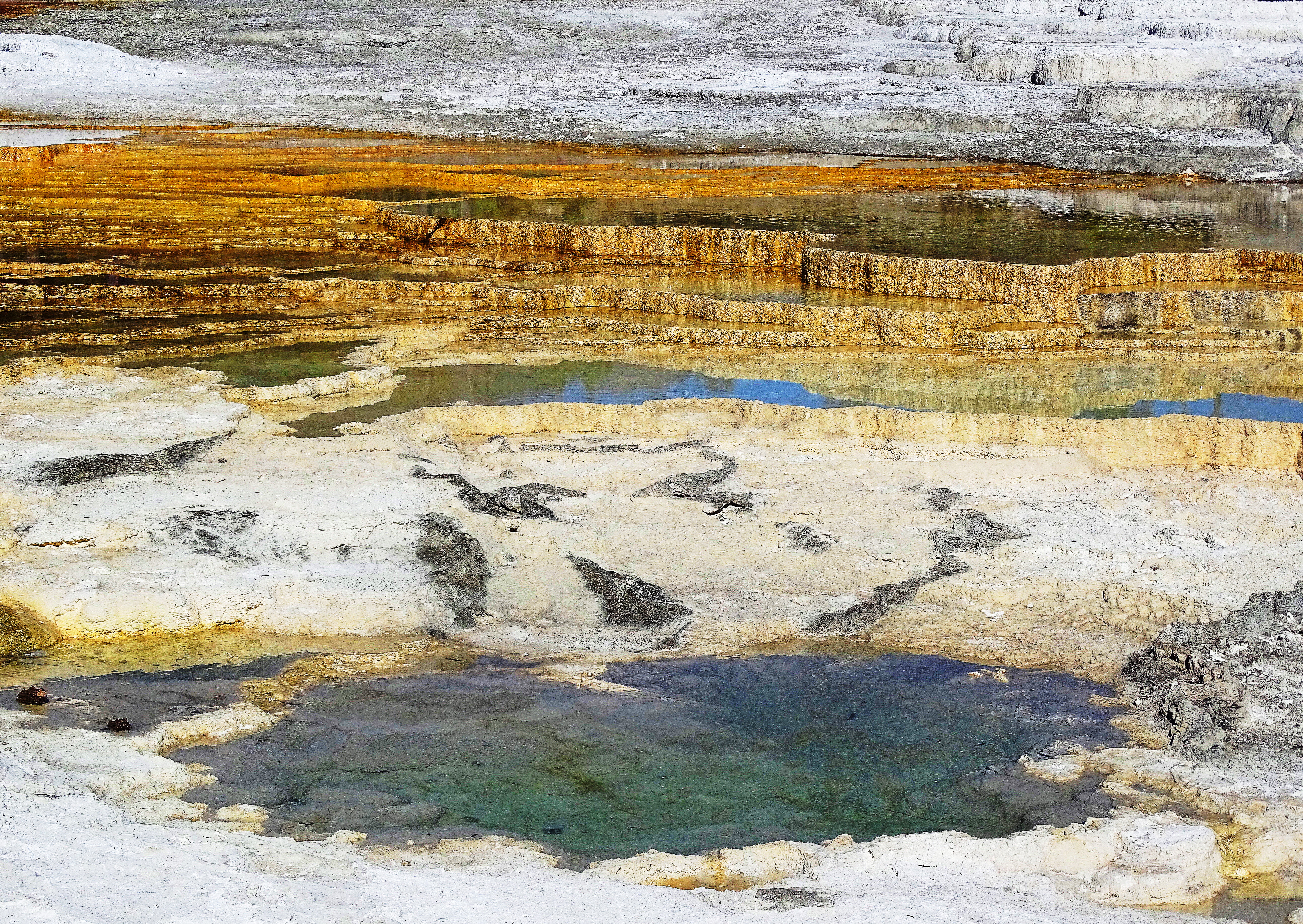
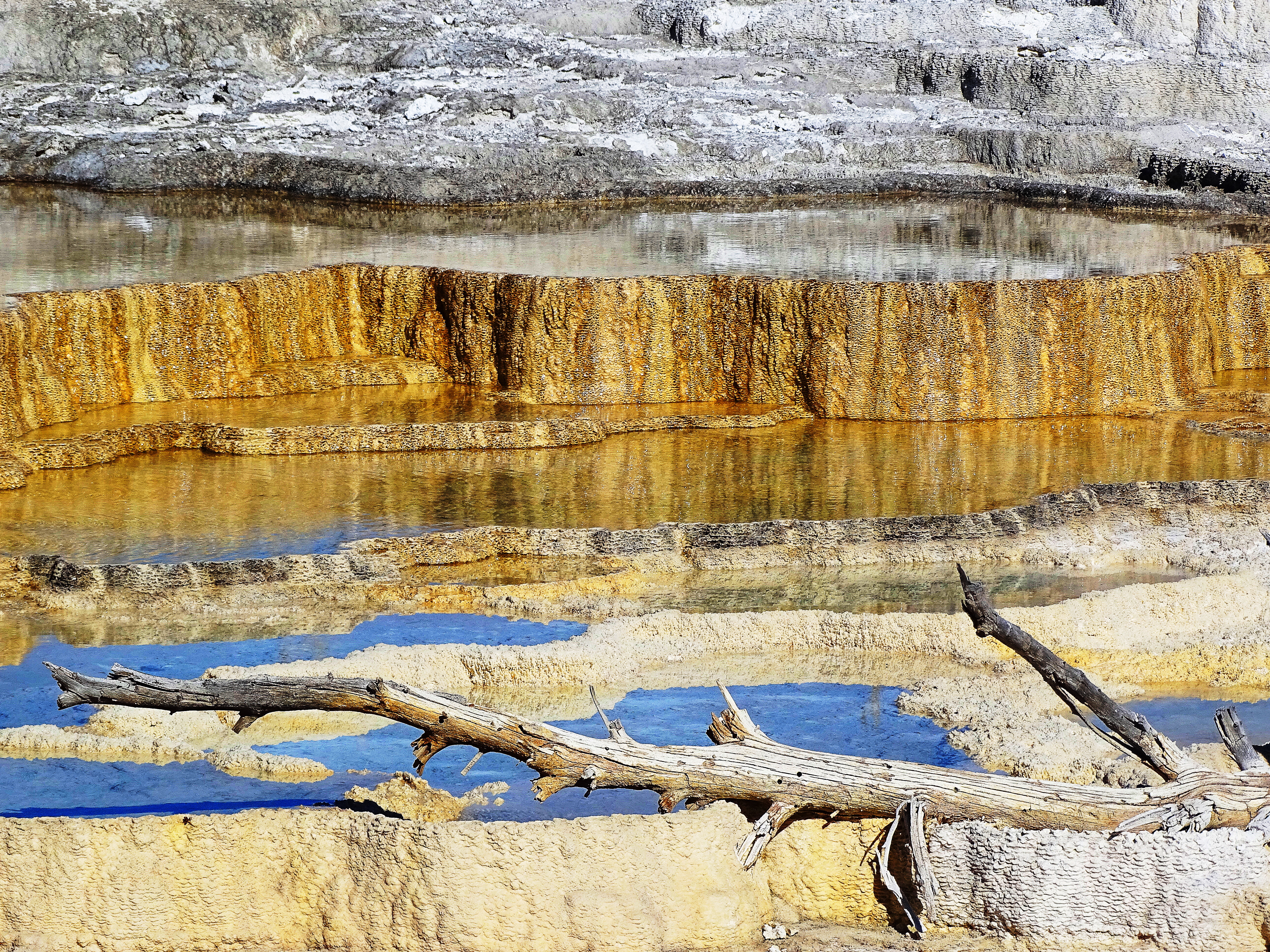
The Hidatsa or Minnetaree Native People named Yellowstone National Park Mitseadazi which means yellow rock river.
DSC05086
Since then scholars have gotten into all sorts of disagreements about where the Hidatsa saw these yellow rocks in Yellowstone.
DSC05719
I don’t really get the disagreements, yellow rocks and stones are everywhere here!
DSC05416
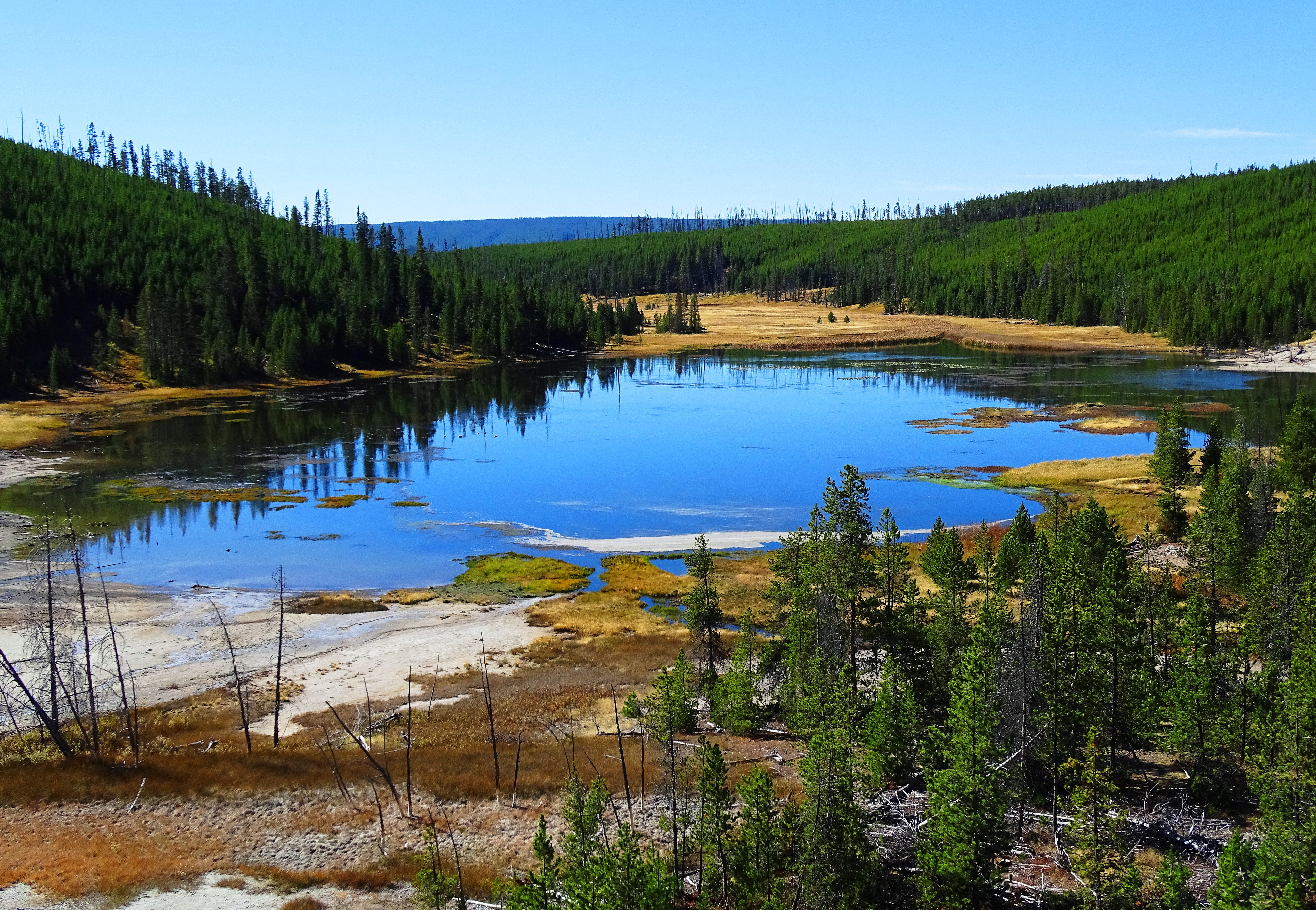
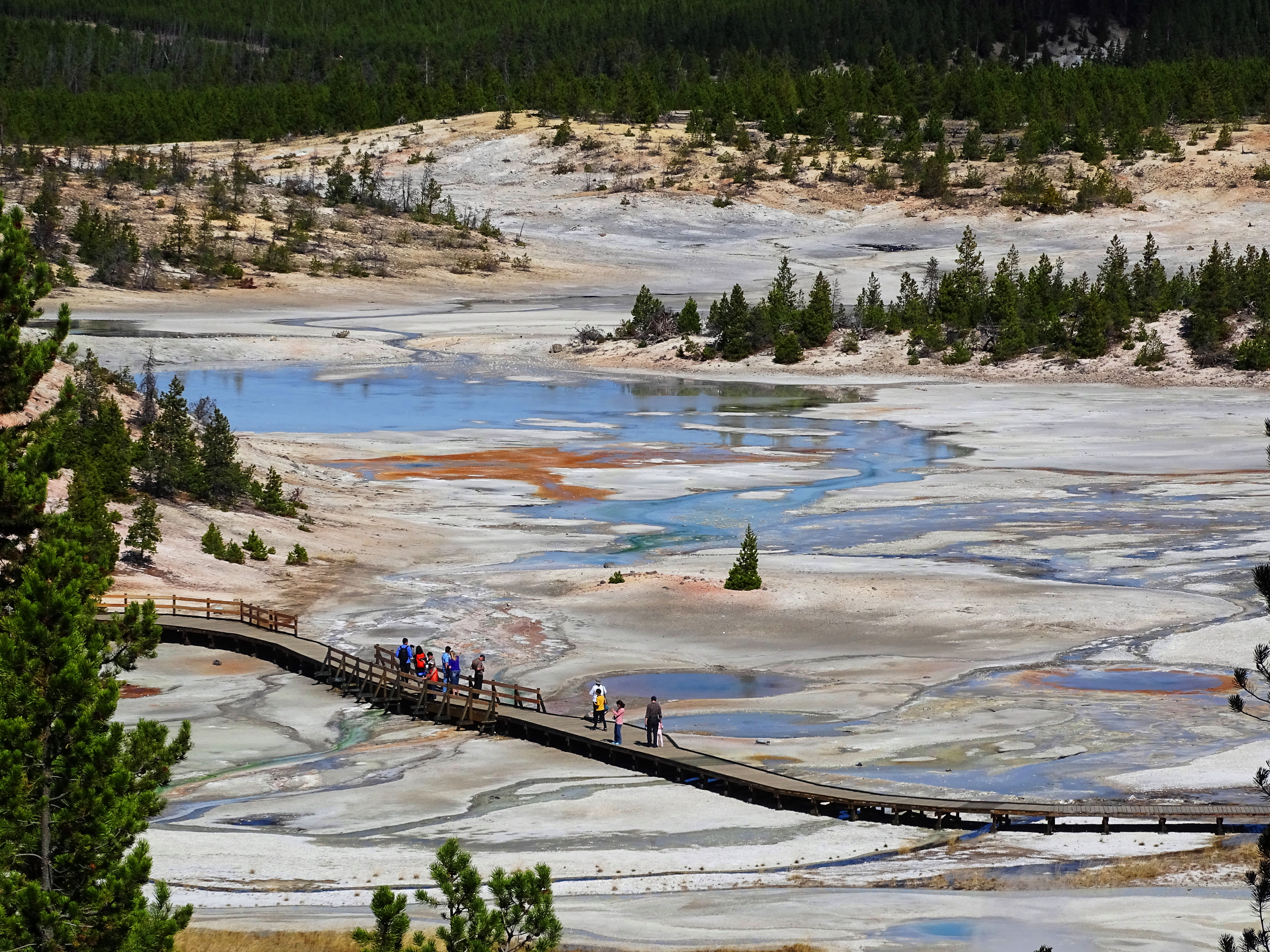
This is my last post on the American West.
DSC05196
I can imagine how beautiful it must be now,
DSC05231
filling with silent snow,
DSC05434
as the critters hunker down,
DSC05157
for the long, cold, Yellowstone winter.
Cheers to you from the finally raining Holler_

View original post

Squirrel lives saved by rope bridge in Amsterdam

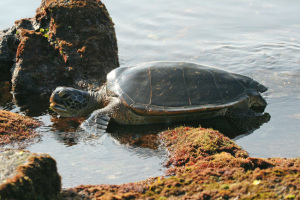
Green Sea Turtle

Jet Eliot's avatarJet Eliot

Green Sea Turtle, Big Island, Hawaii Green Sea Turtle, Big Island, Hawaii

The green sea turtle is the most common turtle found in the Hawaiian Islands.  Hawaiians call this ancient reptile honu.

Chelonia mydas can be found in many tropical places around the world.  Although they are titled “green” they are not that color.  The turtle’s color varies depending on where they are in the world, and/or what stage of life they are in.  Their name originates from the green-colored fat beneath its carapace (shell).

Although their conservation status is listed as endangered, they are easy to spot in the Hawaiian Islands. Primarily vegetarian, their diet is  kelp and algae, and can be seen foraging on land and sea.

Hunting, poaching, fishers’ nets, pollution, and habitat destruction contribute to the sea turtle’s demise, but there are also many protective laws and organizations dedicated to this creature’s survival.  Green sea turtle overview here.

They are…

View original post 138 more words

What Lies Beneath Your Feet

Organikos's avatarOrganikos

Farmers harvest sesame in Syria. PHOTO: JIM RICHARDSON Farmers harvest sesame in Syria. PHOTO: JIM RICHARDSON

The 68th UN General Assembly declared 2015 the International Year of Soils. It aims to increase awareness and understanding of the importance of soil for food security and essential ecosystem functions. According to scientists, soil is being eroded faster than that the Earth can replace it. So the next time the words ‘dirt cheap’ come up, think again and take not the soil below your feet for granted.

Dirt is not only rare, but it’s complicated. To the uninitiated, dirt may look like grubby generic mush, but actually it has character, individuality, and a taxonomy all its own. Soil scientists recognize twelve major orders of dirt, each divided into suborders, groups, subgroups, families, and series, according to its various allotments of minerals and organic matter. Each dirt has a pedigree. Furthermore, dirt is proactive. It’s not an inert blanket; it’s a dynamic entity.

View original post 286 more words