
In 2006, during the War in Lebanon, while bombs were falling on nearby buildings, the people of what is now Animals Lebanon were courageously feeding community cats in bomb-damaged buildings and rescuing as many animals as they could. Now they are preparing for whatever events may come in a worsening situation. — Editor
By Jason Meier
Animals Lebanon
Beirut
Update – September 3, 2013
Dear All,
Lebanon and this region has steadily become less safe over the last two years, and much more so in the last six months. The Prime Minister resigned in March which causes the Council of Ministers to collapse, and there has been no progress at forming a new Council of Ministers. Parliamentary elections were not held as an electoral law could not be agreed, and in June Parliament gave itself an extension until November 2014.
There have been three major car bombs in the last few weeks, and major clashes in parts of most major cities – some going on for days. Just last week a car bomb was diffused by police only a kilometer from our office. In the last few days some airlines have changed their schedules to avoid night flight and minimize time aircraft are on the ground.
When the President of the US spoke recently the streets were empty, people are following every word and trying to understand what to do… We are looking at it as we have one week to get ready and prepared for as many outcomes as possible.
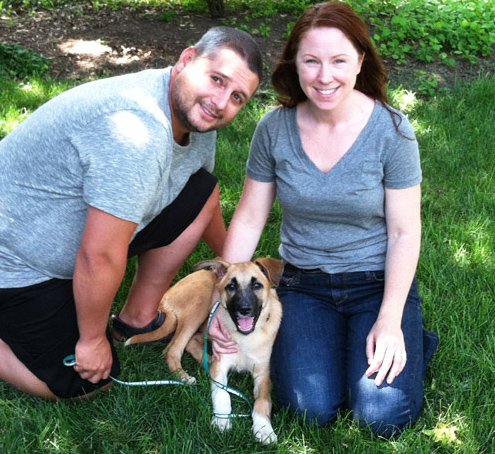
As happened in the 2006 war, there are already more difficulties in sourcing animal food and supplies, an increase of cats and dogs being left behind as people leave the country, changes in fundraising, and we expect the possibility of animals trapped in zoos or pet shops that are not being fed or cared for, and concerns for the safety of everyone involved.
There are four staff including myself. They all have family in other parts of the country so can move to other areas temporarily if necessary. All have valid passports and there are countries they can travel to without needing a visa beforehand.
We are currently caring for approximately 40 cats and ten dogs, all located in Beirut. We are working to identify empty buildings or land that we could relocate to outside of Beirut if necessary. This would require costs of approximately $5,000 to construct or modify a space to make it suitable to house these animals.
We have a six to twelve month supply of all items necessary for the care of these 50 animals including food, litter, bedding, medication, water.
60 transport cages have been bought and put in storage, we are trying to find more. These would be for movement of animals within Lebanon, or to fly these animals abroad, or to provide to the public if they are exporting a cat or dog.
An ‘export guidelines for cats and dogs’ has been finalized in English and Arabic for distribution. Last week we answered 17 requests for help to export cats and dogs.
There are also a number of wild animals we are working to rescue-
– one Nile crocodile, approximately 1.5 meters, loose in Beirut river, no sanctuary secured
– two adult lions (one male, one female) and two adult tigers (sex unknown), kept at private zoo in the Chouf mountains outside of Beirut, no sanctuary secured
– six Hamadryas baboons, kept at zoo in south, accepted by Princess Alia Foundation in Jordan but have not been able to arrange a vet to do the necessary vaccines and tests
We have been backing up all of our files on external hard drives for storage outside of Lebanon with two of our major supporters.
…I am hoping we have thought through and prepared as much as possible….Either way our work and what is possible has changed…
Thanks,
Jason
To visit the website of Animals Lebanon or to help with a donation, click here.
Photos: Courtesy of Animals Lebanon
Top photo: Clara was abandoned at a young age and rescued by Animals Lebanon. She is now happily adopted in Lebanon.
Second photo: Tyson is one of Eva’s six puppies. Eva was shot and blinded while pregnant, and was rescued by Animals Lebanon. Tyson is now happily adopted in the U.S.


