Animal welfare charity to rescue lion cubs from refugee camp in Gaza

Animal welfare charity to rescue lion cubs from refugee camp in Gaza

wildlifenewsuk's avatarWildlife News

http://wildlifenews.co.uk/wp-content/uploads/2015/06/gaza-camp-lion-fourpaws-400×300.jpg – International animal welfare organisation FOUR PAWS has launched an emergency mission to rescue two lion cubs living in a refugee camp in the Gaza strip, which the charity says now pose a significant threat to people in the camp.
The lion cubs, which have been named Mona and Max, made headlines… – http://wildlifenews.co.uk/2015/06/animal-welfare-charity-to-rescue-lion-cubs-from-refugee-camp-in-gaza/

View original post

Rhinoceros

Jet Eliot's avatarJet Eliot

White Rhinos, Kenya White Rhinos, Kenya

The African rhino species originated on this planet about 14.2 million years ago.  Let’s take a look at this astounding creature.

A century ago, at least in Africa, rhinos were heading for extinction due to over-hunting in the colonial era.  Now, all five rhino species are killed for their horns, which are coveted for medicinal purposes and ornamental carvings.  Sadly, sophisticated poaching syndicates have evolved into organized crime, utilizing advanced technologies and weaponry.

The dwindling rhinoceros population is so depressing that I will stop talking about it at this point.  You can, however, click here to read the exact numbers of remaining species.  Fortunately, there have been enormous conservation efforts toward reviving the population; and the white rhinos, the most abundant rhino species, have increased.

There are rhinos in Africa and Asia, a total of five different species.  The two African rhinos are called Black and White…

View original post 352 more words

Why lizards need elephants to survive?

Sandy Steinman's avatarNatural History Wanderings

Conservation Magazine writes about why lizards need elephants to survive?

Lizards, it turns out, rely on the debris created by elephants as they trample trees. Shards of wood and leaves haphazardly left behind by marching pachyderms provide good cover for a small lizard to escape the piercing talons of a hungry raptor. Kill the elephants, and the lizards could suffer.

Read full story at Why lizards need elephants to survive – Conservation.

View original post

In Case You Hadn’t Heard: 6th mass extinction already underway — and we’re the cause

Exposing the Big Game's avatarExposing the Big Game

http://www.usatoday.com/story/news/nation/2015/06/20/sixth-mass-extinction-study/29028887/

The Earth’s sixth mass extinction is already underway — and humans are the driving force behind it, according to a new study.

“Recent extinction rates are unprecedented in human history and highly unusual in Earth’s history,” according to a study published Friday in the journal Science Advances. “Our global society has started to destroy species of other organisms at an accelerating rate, initiating a mass extinction episode unparalleled for 65 million years.”

Researchers used “extremely conservative assumptions” to determine extinction rates that prevailed in the past five annihilation events. Still, they found the average rate of vertebrate species lost over the past century was up to 114 times higher than normal.

More: http://www.usatoday.com/story/news/nation/2015/06/20/sixth-mass-extinction-study/29028887/

Also,

“There are examples of species all over the world that are essentially the walking dead,” Stanford University professor Paul Ehrlich said.

“We are…

View original post 11 more words

Native American rock art

sharonstjoan's avatarEchoes in the Mist

2015 06 06_0332 The Rochester panel.

2015 06 06_0279 The Sego Canyon panel.

Detail of the Sego Canyon panel. Detail of the Sego Canyon panel.

These beautiful photos were taken by Kirk Robinson, who writes this about them –

The pecked images, such as the Rochester panel, are called petroglyphs; and the painted ones, such as the Sego Canyon panel, are called pictographs.  Originally, many of the petroglyphs were also painted.  They may have also been decorated with feathers and other natural materials.

There is obviously a lot of meaning in these interesting figures, but it is hard to know what they mean.  Sometimes you can tell what individual images represent – desert bighorn sheep being the most common of the petroglyph figures in most of the West, but also deer, bears and birds, etc. – but other times they are mythical creatures or spirits that combine body parts from more than one animal.  Some look like images of prehistoric animals.  Others…

View original post 261 more words

Logging Industry Lawsuit Thrown Out

Sandy Steinman's avatarNatural History Wanderings

EarthJustice Press Release

Logging Industry Lawsuit Demanding Aggressive Cutting Thrown Out By Federal Court

Washington, D.C. — A logging industry lawsuit that sought to force the Bureau of Land Management to increase logging on public lands in southwest Oregon was thrown out today by the D.C. Circuit Court of Appeals. The ruling vacates a 2013 decision that would have forced the Bureau of Land Management to sell timber even when those sales would have harmed salmon and had detrimental impacts on water quality and recreation.

View original post 403 more words

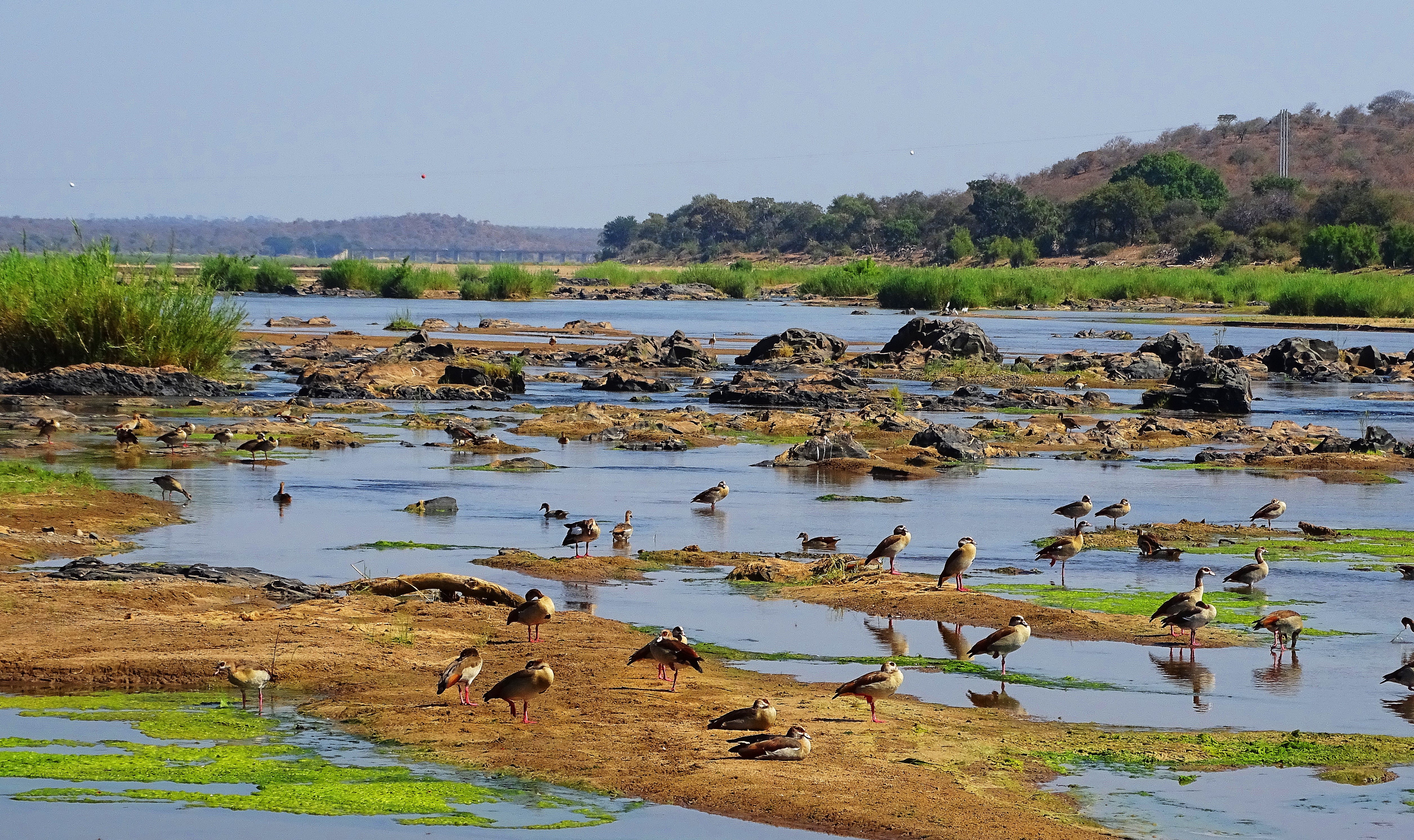
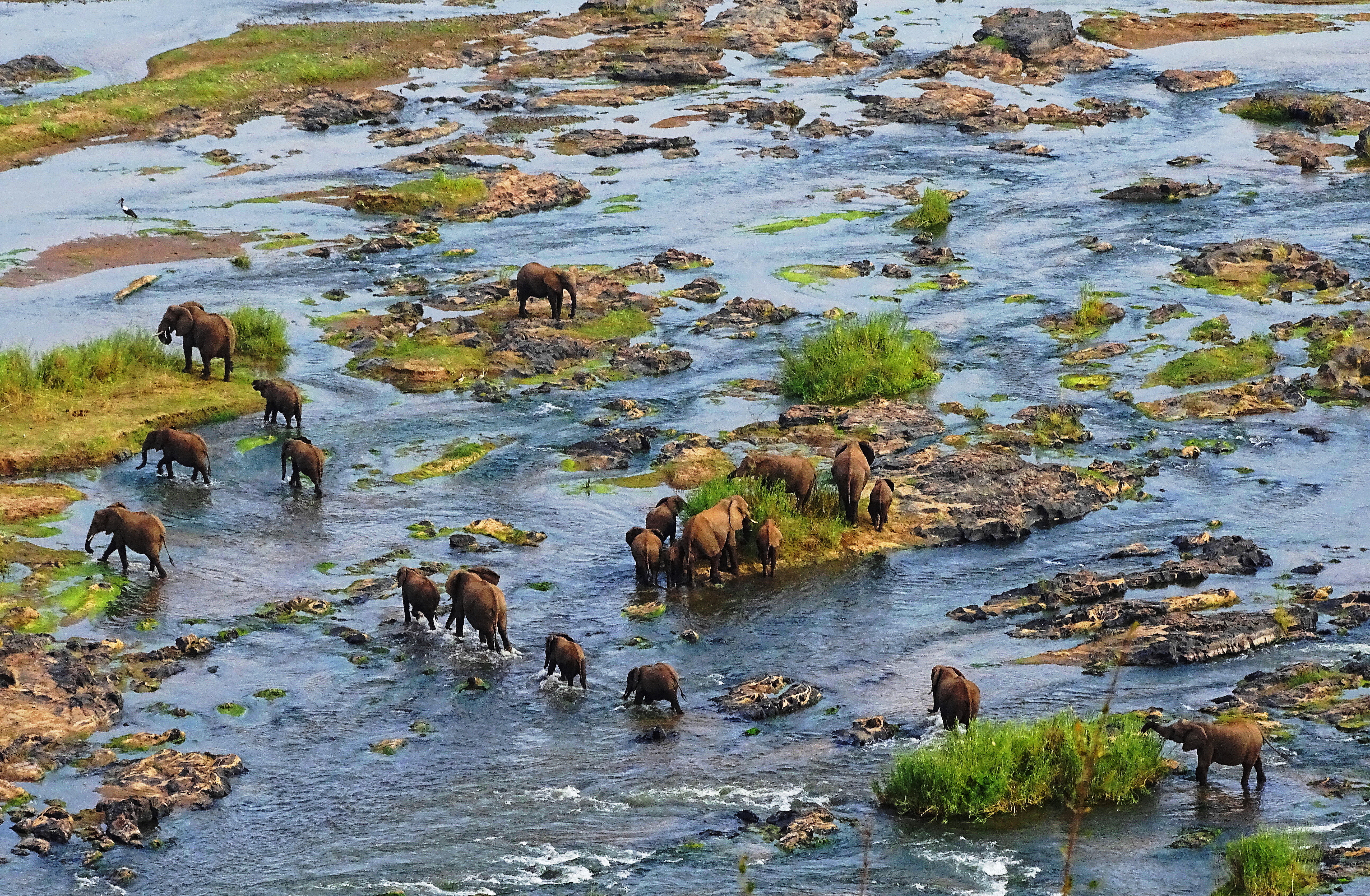
Olifants~

cindy knoke's avatarCindy Knoke

DSC06772
The Olifants River is a tributary of the “Great, grey, green, greasy Limpopo river.” *
DSC06714
The river runs through the center of Kruger National Park, dividing the northern and southern regions.
DSC07139
Olifants rest camp has arguably the best view in Kruger, lying hundreds of feet about the river and offering panoramic views of the African veld from the comfort of your rondavel porch. All of these photos were taken from our porch, with the exception of a few of the following ones, taken in the bush near the river.
DSC07832
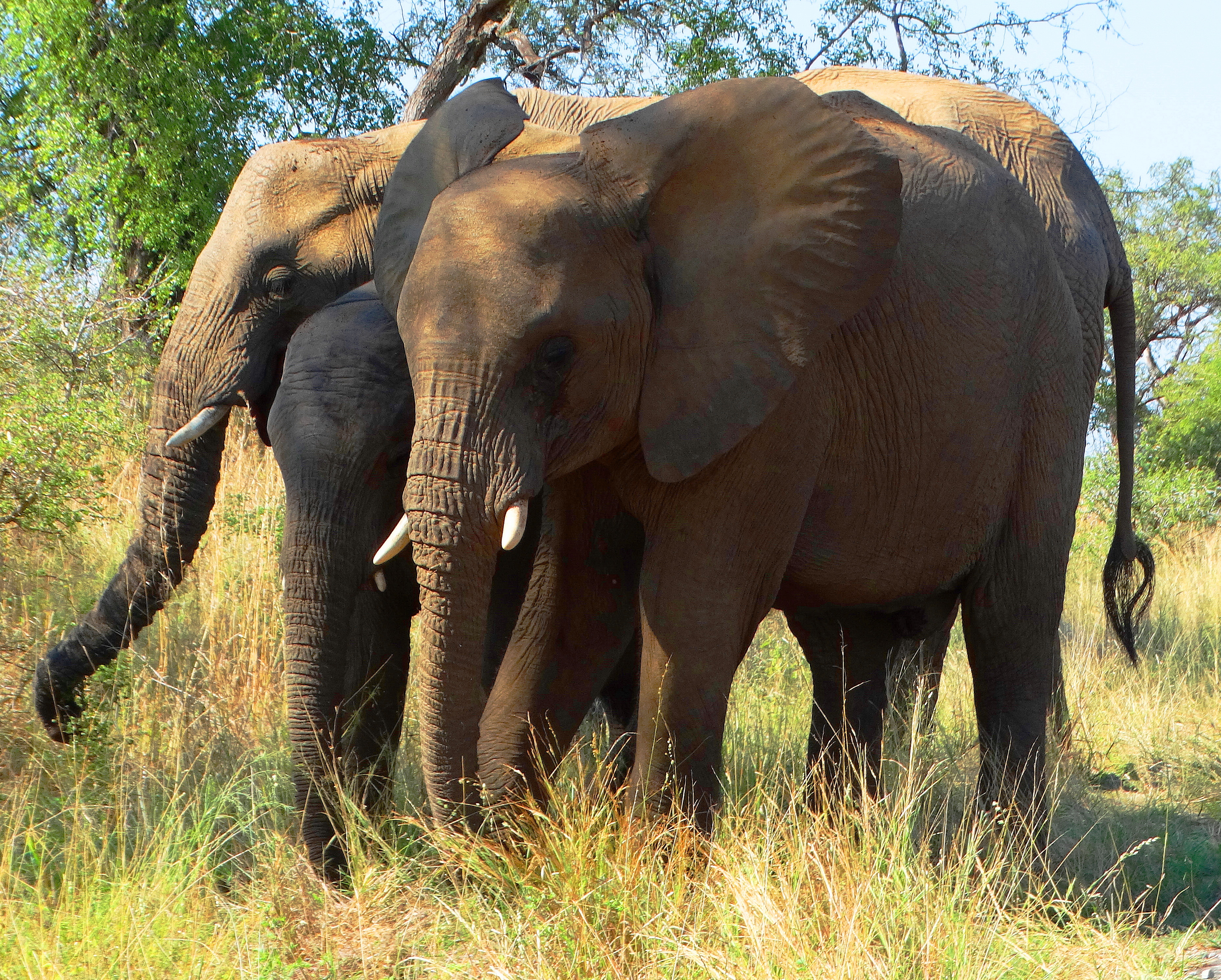
If you look you can see blurring near the elephants feet. This is when my camera started to break down after three harsh weeks in the bush.
DSC06819
A huge variety of animals come to the river to drink, including of course the elephants that often walk single file to the water. In South Africa winter is the dry season, and the…

View original post 238 more words

24 activists detained as Arctic oil rig heads out of Seattle

Exposing the Big Game's avatarExposing the Big Game

http://www.komonews.com/news/local/Activists-form-human-chain-as-Arctic-oil-rig-heads-out-of-port-307363311.html

by KOMO StaffPublished: Jun 15, 2015

SEATTLE – A massive oil-drilling rig pulled out of Seattle on Monday and headed for the environmentally sensitive Arctic Ocean despite a last-ditch effort by protesters to block it from leaving by forming a waterborne blockade of the harbor.

The Coast Guard says 24 people were detained while taking part in the blockade of the Polar Pioneer.

Many of those detained were in kayaks – including Seattle City Councilman Mike O’Brien, said a Greenpeace spokesman. Around 50 other protesters on the water were not arrested, Greenpeace said.

The Polar Pioneer’s owner, Royal Dutch Shell, plans to tow the rig to the Arctic Ocean off Alaska to drill for undersea oil deposits during relatively calm summer weather conditions.

The first wave of “kayaktivists” headed out in the predawn darkness, as soon as they got word the Polar Pioneer would be on the move…

View original post 160 more words

English greater horseshoe bats threatened

petrel41's avatarDear Kitty. Some blog

This video from Britain says about itself:

24 February 2011

A short piece about Greater Horseshoe Bats that appeared on The One Show (23/02/2011).

Land near the roost is now being grazed organically by Ruby Red Cattle, hopefully leading to an increased population of dung beetles an important food source for some species of bat.

From Wildlife Extra:

Devon bats future to be decided at High Court

If the High Court allows the building of 230 houses the future of a population of one of northern Europe’s most threatened bats, the greater horseshoe bat, will be in jeopardy, says the Devon Wildlife Trust.

The Trust is bringing the Judicial Review against a planning decision made by Teignbridge District Council to grant permission for up to 230 houses to be built on land which lies just 170 metres from an internationally important site where female greater…

View original post 723 more words