YAK AND “YETI”

YAK AND “YETI”

mukul chand's avatarEnchanted Forests

The Himalayas are home to many many a Unique Species of Fauna, one of which is the Realistic Yak and the other the Mythical Yeti.

Lovely Green Meadows near the Tsomgo Lake ( do see a previous blog titled LAKE OF SNOW)  in Sikkim, India are grazing grounds and home to the large and furry Yaks( Scientific name Bos grunniens).
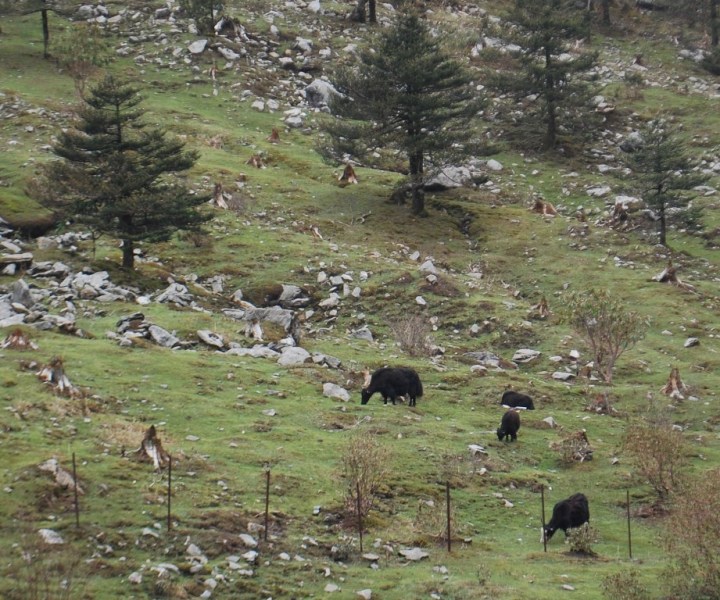
green himalayas

HIMALAYAN GREEN

Yaks are native to this region  and can be seen only at high altitudes above 3500 metres in the Himalayas in India.

A large number of Yaks are heavily decorated and domesticated. While many like to ride these Majestic Himalayan Bovids around  the Tsongo Lake , I am personally against riding these animals.

The unpredictable mist envelops all including the Yak and his chaperon.
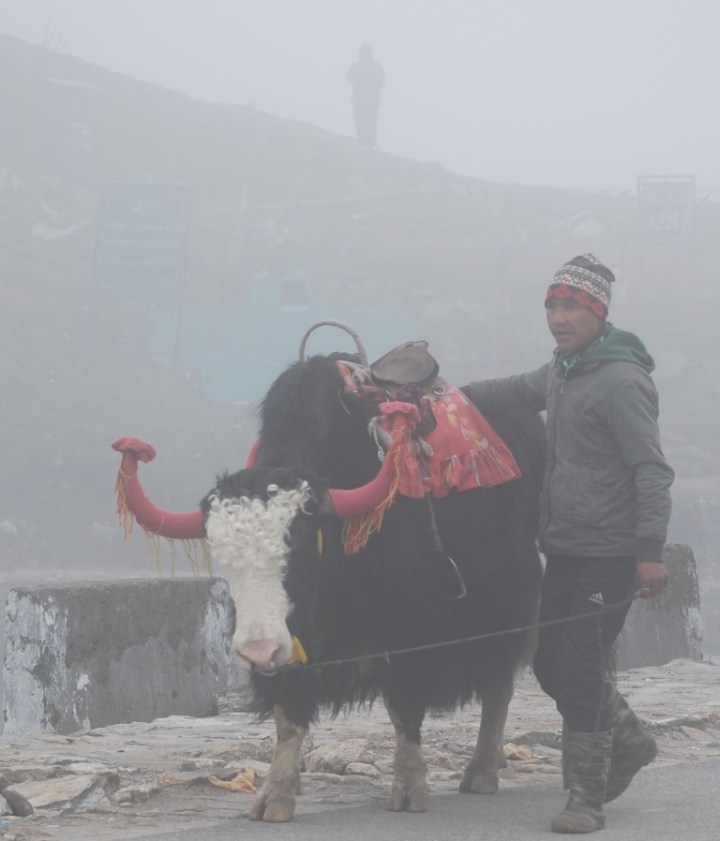
yeti in the mist MIDST OF MIST

I was lucky to spot this majestic Yak ( I think he is Mr. Yak) having…

View original post 39 more words

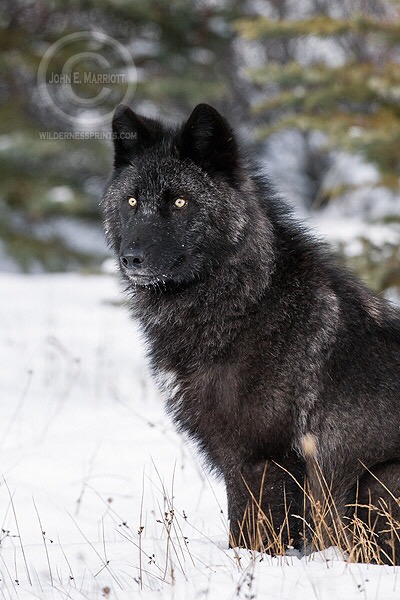
A collection of favorite wolf photographs by Canadian Wilderness photographer John E Marriott 

A collection of favorite wolf photographs by Canadian Wilderness photographer John E Marriott 

Rachel Tilseth's avatarWolves of Douglas County Wisconsin Film Company

Awhile back I messaged John E Marriott and asked if I could use his photographs on my blog. I’ve been a fan of his work ever since. This blog post is full of my favorite photographs fromJohn E Marriott’s Wilderness Printsenjoy the view!

Wild Wolf Pup by John E Marriott

“I am not formally trained as a photographer, but rather have learned by trial and error as I’ve gone along. I have also been lucky enough to have met and forged friendships with some incredibly interesting and skilled photographers over the years that I have gleaned information from: Al Williams, Jeff Waugh, Alec Pytlowany, Darwin Wiggett, Tom Murphy, and Terry Berezan come to mind. Unfortunately I never did get to meet the photographer I most wanted to — Japanese wildlife photographer Michio Hoshino, who died in Kamchatka, Russia in 1997.” FromJohn E Marriott biography


Wolf pack on…

View original post 293 more words

Enigmatic pillars and buildings

sharonstjoan's avatarEchoes in the Mist

398px-Gobekli_Tepe_2

By Sharon St Joan

In 1963, when archeologists first went to southeastern Turkey to investigate Gobekli Tepe, they found the surrounding hills littered with stone tools, remnants left by ancient hunter-gatherers, just on the verge of transitioning to a new age of pastoralists and farmers.

Andrew Collins writes about Gobekli Tepe in his very fascinating book – Gobekli Tepe – Genesis of the Gods. It must have been an extraordinary place for archeologist Klaus Schmidt to see when he visited there in 1994.

Who could explain these elegant, enigmatic columns – tall, well-finished and beautifully carved with animal forms – going back many, many thousands of years to around 9,500 BCE, thousands of years earlier than any other known megalithic structures? What language did these early people speak and what was their culture? What gods did they worship? What were their lives like? And what was the meaning of these…

View original post 652 more words

LAKE OF SNOW

LAKE OF SNOW

mukul chand's avatarEnchanted Forests

High Altitude Lakes in the Lap of the Himalayas  are mystically fascinating .

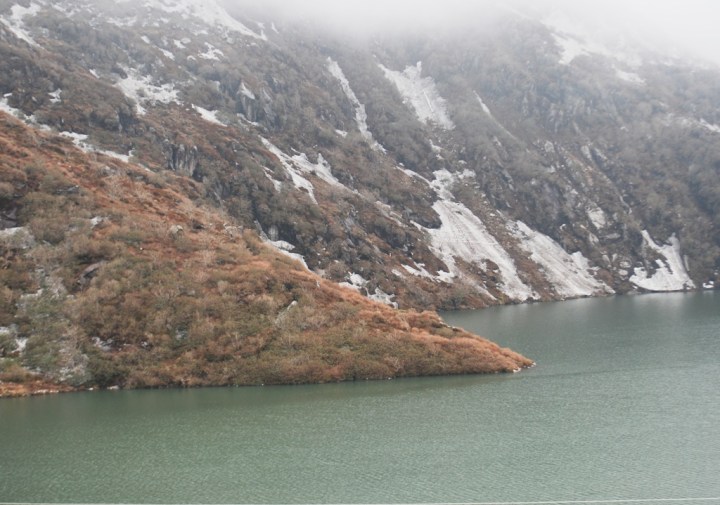
Formed almost entirely by melting snow, glaciers and brooks and streams The Tsomgo Lake in Sikkim is located at a height of 3870 metres ( 12700 feet) in Sikkim, India within touching distance of the Tibetan Plateau.

Most of The Himalayan Peaks overlooking the Changu ( or Tsomgo) Lake rise above the Tree Line and thus barren and bereft of Trees. Have a look.

treeless mountains Melting Himalayan Snow

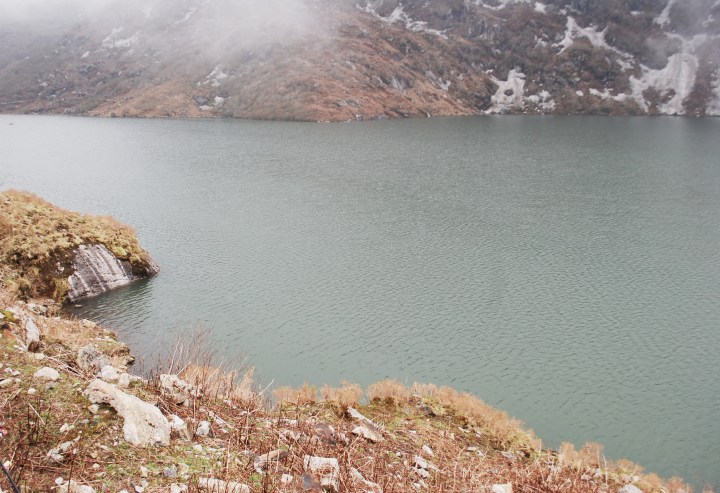
The  banks of the Enchanting Tsomgo Lake supports Unique Alpine Flora. The weather here changes rapidly and the Mists and Low Clouds play Hide and Seek.

The Sun appeared magically enabling me get the following picture. Observe the Snow turning into the Waters of this Lake ,  which is highly revered by Buddhists and Hindus.

changu lake Tsomgo Lake in the Summers

Within seconds as though by the will of…

View original post 80 more words

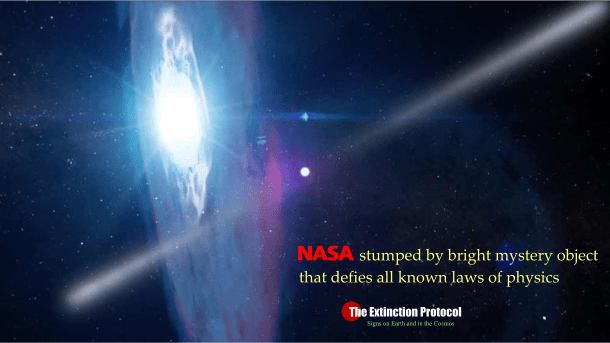
Mystery object found 20 times brighter than all the stars in the Milky Way combined – and NASA has no clue what it is

The Extinction Protocol's avatarThe Extinction Protocol

Cosmos M
June 2016SPACEAstronomers are not entirely sure what it is. If, as they suspect, the gas ball is the result of a supernova, then it’s the most powerful supernova ever seen. In June of 2015, astronomers viewed a ball of hot gas billions of light years away that is radiating the energy of hundreds of billions of suns. Even in a discipline that regularly uses gigantic numbers to express size or distance, the case of this small but powerful mystery object in the center of the gas ball is extreme. At its heart is an object a little larger than 10 miles across. ASAS-SN-15lh, as the object is known, was twice as luminous as any previously seen, far brighter than any normal supernova, and outshone our entire Milky Way galaxy by 50 times.
 The artist’s impression below shows what it would look like from an exoplanet 10,000…

View original post 364 more words

5 Reasons We Can’t Afford to Ignore the Issue of Animal Rights Any Longer

Unknown's avatarGarryRogers Nature Conservation

GR.–People cite protein deficiency as their reason for not becoming vegetarian.  However, it’s not an issue; there are plant sources for the full suite of proteins.  Here are pictures of a few vegetarians that serve as living proof.

Veg 1veg 2

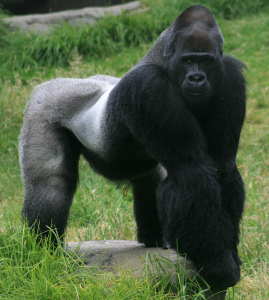
veg 3Robin Raven.–“The fate of Harambe, the 17-year-old gorilla who was shot dead in a Cincinnati zoo on May 28, has inspired much debate. Some adamantly defend the zoo workers’ actions, while others point to the hypocrisy of outrage when many sentient animals are killed each day without drawing any attention whatsoever. Seeing Harambe’s face as an innocent animal who was so quickly sacrificed has undeniably struck a chord with many. So, despite some claims that animal rights is the least important issue, the attention that the gorilla’s life received indicates that people are ready to hear the truth: Non-human animals are sentient beings with lives that do, in fact, matter.

View original post 135 more words

Moths Learn To Avoid City Lights

Sandy Steinman's avatarNatural History Wanderings

Environmental News Network reports

The globally increasing light pollution has negative effects on organisms and entire ecosystems. The consequences are especially hard on nocturnal insects, since their attraction to artificial light sources generally ends fatal. A new study by Swiss zoologists from the Universities of Basel and Zurich now shows that urban moths have learned to avoid light.

Source: Wildlife and Habitat Conservation News: Moths in cities have learned to avoid man-made light

View original post