LAKE OF SNOW

LAKE OF SNOW

mukul chand's avatarEnchanted Forests

High Altitude Lakes in the Lap of the Himalayas  are mystically fascinating .

Formed almost entirely by melting snow, glaciers and brooks and streams The Tsomgo Lake in Sikkim is located at a height of 3870 metres ( 12700 feet) in Sikkim, India within touching distance of the Tibetan Plateau.

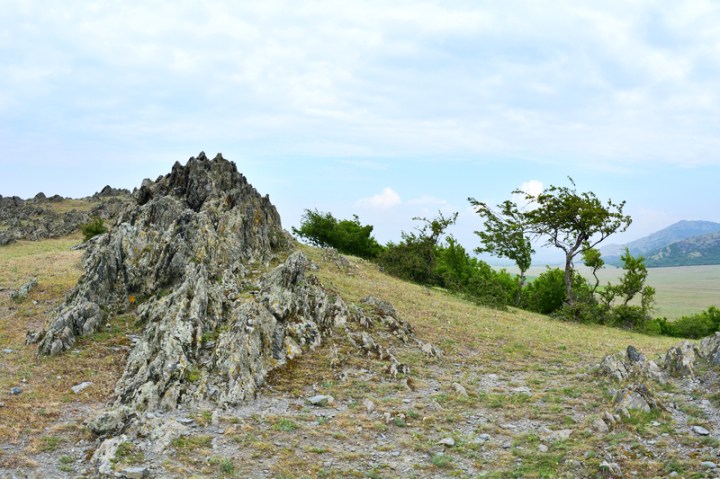
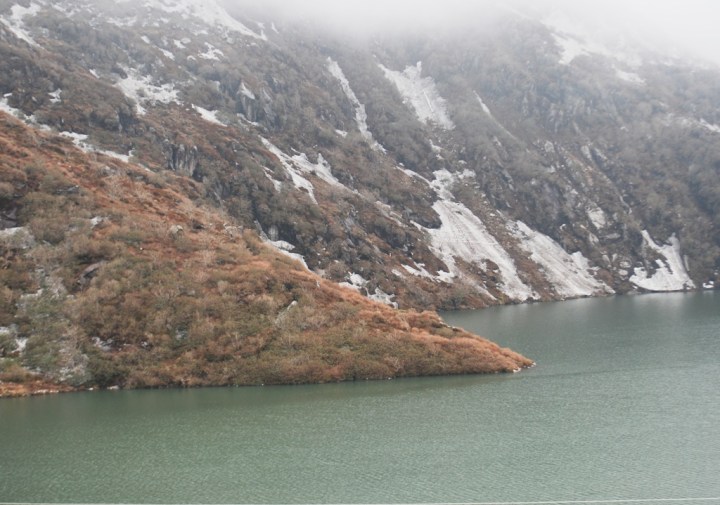
Most of The Himalayan Peaks overlooking the Changu ( or Tsomgo) Lake rise above the Tree Line and thus barren and bereft of Trees. Have a look.

treeless mountains Melting Himalayan Snow

The  banks of the Enchanting Tsomgo Lake supports Unique Alpine Flora. The weather here changes rapidly and the Mists and Low Clouds play Hide and Seek.

The Sun appeared magically enabling me get the following picture. Observe the Snow turning into the Waters of this Lake ,  which is highly revered by Buddhists and Hindus.
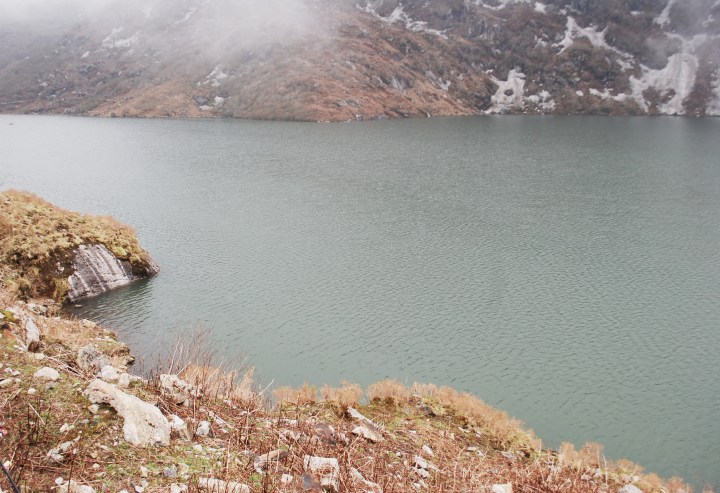
changu lake Tsomgo Lake in the Summers

Within seconds as though by the will of…

View original post 80 more words

Mystery object found 20 times brighter than all the stars in the Milky Way combined – and NASA has no clue what it is

The Extinction Protocol's avatarThe Extinction Protocol

Cosmos M
June 2016SPACEAstronomers are not entirely sure what it is. If, as they suspect, the gas ball is the result of a supernova, then it’s the most powerful supernova ever seen. In June of 2015, astronomers viewed a ball of hot gas billions of light years away that is radiating the energy of hundreds of billions of suns. Even in a discipline that regularly uses gigantic numbers to express size or distance, the case of this small but powerful mystery object in the center of the gas ball is extreme. At its heart is an object a little larger than 10 miles across. ASAS-SN-15lh, as the object is known, was twice as luminous as any previously seen, far brighter than any normal supernova, and outshone our entire Milky Way galaxy by 50 times.
 The artist’s impression below shows what it would look like from an exoplanet 10,000…

View original post 364 more words

Moths Learn To Avoid City Lights

Sandy Steinman's avatarNatural History Wanderings

Environmental News Network reports

The globally increasing light pollution has negative effects on organisms and entire ecosystems. The consequences are especially hard on nocturnal insects, since their attraction to artificial light sources generally ends fatal. A new study by Swiss zoologists from the Universities of Basel and Zurich now shows that urban moths have learned to avoid light.

Source: Wildlife and Habitat Conservation News: Moths in cities have learned to avoid man-made light

View original post

Wind beings

sharonstjoan's avatarEchoes in the Mist

© Weblogiq | Dreamstime.com

Where do the wind beings live?

Beyond the noon-

Bright country,

Beyond the stars, glimmering,

Beyond the tired, trafficked city,

Unencumbered, they live in the mountains that give

Peace, among the lilies of eternity,

By the wandering white petals of the moon

In the forest of flowers where

Only the wild ones talk

And where the wind beings walk

By the shell-encrusted shore,

There the red-tailed hawk

And the northern harrier,

Gray as the sea,

Fly through the air,

To reclaim their destiny,

In lands swept clean of the paltry ploy

Of thought,

And the detritus of crumpled litter

Of the corrupted that crawl

In the grime

Of the sound-dinned

Corners of the mind, strangely-wrought.

Arise, Hanuman,

Son of the wind,

To toss

Aside all the devils of time,

To unseat the wicked, wailing,

To thunder

Across

The waves, ever-crashing

Of the sparkling, emerald sea

Of nevermore,

To lead all…

View original post 38 more words

Song thrush singing in Cornwall