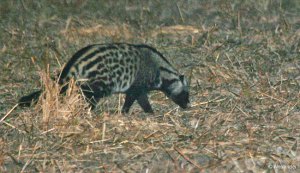
African Civet

Jet Eliot's avatarJet Eliot

African Civet, Zambia African Civet, Zambia

Found only in sub-Saharan Africa, this small mammal is about 16 inches tall (40 cm) and 30 inches long (76 cm).

Although the population of this weasel relative is not officially endangered, they are difficult to observe.  In addition to being nocturnal and solitary, they are prey to many African stalkers including leopards and lions.  The species has also suffered from habitat loss.  I have seen far more shining sets of civet eyes on nighttime safaris, than the actual animal.

An omnivorous  hunter, Civettictis civetta eat plants and animals including vertebrates, invertebrates, and carrion.  The African civet, unlike other civets, is also semiaquatic.  More info here.

Named for their musky gland secretion, both genders secrete civet, used for marking territory.  For hundreds of years this mammal has been hunted by humans for their secretion, used as a basic ingredient in perfumes (including Chanel No. 5).  Fortunately…

View original post 29 more words
First Nation Outraged By Permit Allowing Mount Polley Tailing Release

First Nation Outraged By Permit Allowing Mount Polley Tailing Release

Red Power Media, Staff's avatarRED POWER MEDIA

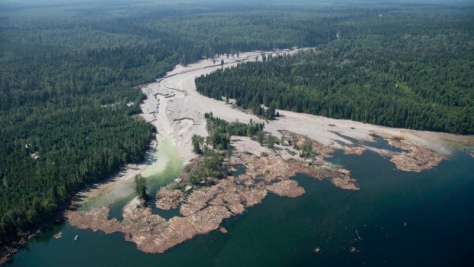
Contents from a tailings pond is pictured going down the Hazeltine Creek into Quesnel Lake near the town of Likely, B.C. on August, 5, 2014. (Jonathan Hayward/The Canadian Press) Contents from a tailings pond is pictured going down the Hazeltine Creek into Quesnel Lake near the town of Likely, B.C. on August, 5, 2014. (Jonathan Hayward/The Canadian Press)

CBC News

Mine responsible for 2014 environmental disaster granted permit to release effluent into Quesnel Lake

Members of a B.C. First Nation are speaking out against the province for allowing the Mount Polley mine to drain effluent from a tailings pit into Quesnel Lake.

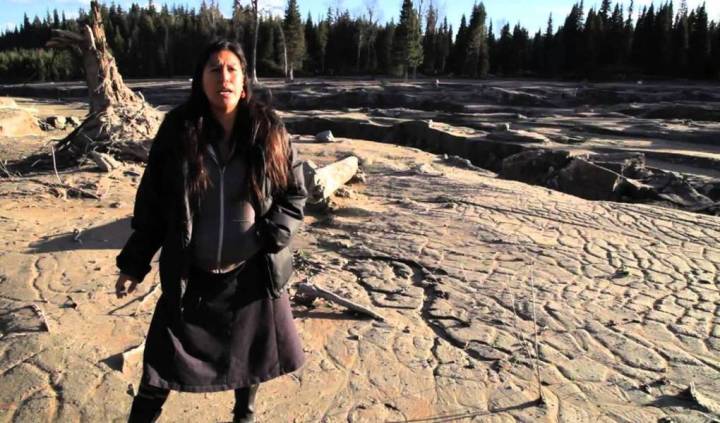
Secwepemc Nation spokesperson Kanahus Manuel is outraged by the province’s decision, and worried for the people who use Quesnel Lake.

“This effluent and this treated water that Imperial Metals is discharging into Quesnel Lake is not meeting the drinking water guidelines,” she says. “It is going to be flowing right down into the Fraser River which 63 per cent of B.C. depends on for our watershed.”

The Environment Ministry approved a short-term permit Tuesday to allow the discharge from the mine tailings pit which is forecast to…

View original post 148 more words