Lions in the Serengeti

Jet Eliot's avatarJet Eliot

Serengeti at Sunrise Serengeti at Sunrise

The Serengeti ecosystem of Africa is one of the best places on earth for observing wild lion populations.  It spans approximately 12,000 square miles in Tanzania and Kenya. For more info about the Serengeti, click here.

Serengeti Serengeti

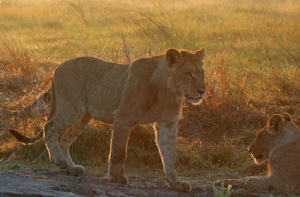
As one of my favorite places in the world, I have had the fortunate opportunity to visit here several times.  (The truth is, I love it so much that I shaped many years of my life around earning and saving so that I could keep returning.)   All the lion photos presented here were taken in Tanzania.

The cubs resting atop a rock were enjoying the elevated safety offered by a kopje.  A kopje (pronounced “copy”) is a granite outcropping in the middle of the grasslands, where many of the mammals like to rest.  You can read an earlier post I wrote about kopjes by clicking here.
Serengeti Sunrise Serengeti Sunrise

View original post 230 more words

U.S. Interior Department: Still All About Fossil Fuels

Jeremy Nichols's avatarClimateWest

Even as scientists are confirming that it’s time to keep fossil fuels in the ground, the U.S. Department of the Interior continues to open the door for extensive coal, oil, and gas development on our public lands, fueling unchecked carbon pollution at belligerently reckless rates.

The latest step backward occurred earlier this week as Interior’s Bureau of Land Management just gave itself a big pat on the back for approving thousands of new drilling permits and offered to lease nearly 6 million acres of public lands to the oil and gas industry for fracking.

The Bureau was so zealous, they gloat that they offered drilling permits and leasing opportunities “in excess of industry demand.”  

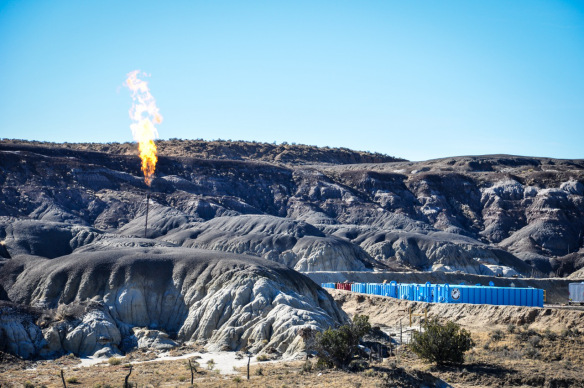
Flaring on well in Lybrook badlandsFlaring, where the oil and gas industry purposefully burns off natural gas while producing oil, is the ultimate waste. Here, flaring at a fracking site on public lands in northwestern New Mexico was condoned…

View original post 641 more words

Finnish owls’ lives, new book

petrel41's avatarDear Kitty. Some blog

This video says about itself:

TENGMALM´S OWL, Finland

TENGMALM´S OWL, Aegolius funereus, Helmipöllö, Ylämaa Leino, 28.5.2009

From British Birds:

Moult, ageing and sexing of Finnish owls

Published on 05 January 2015 in Book reviews

By Heimo Mikkola and Jouni Lamminmäki

The Ornithological Society of Suomenselkä, Saarijärvi, 2014; pbk, 96pp; photographs and line-drawings

ISBN 978-951-98263-1-8 Subbuteo code M24340 £17.50

Until now, accurate data on the moult of European owls has been somewhat fragmented. This handbook brings together all current knowledge available on the moult, age and sex determination of the 13 species of European owl. The book begins with a useful glossary of terms and abbreviations used in the tables and throughout the text. It is followed by a general overview of moult and its use in ageing and sexing, and aspects such as the process and sequences of moult, how moult varies between species…

View original post 235 more words

Water rail in Sweden, video

Big bird art exhibition on the Internet

petrel41's avatarDear Kitty. Some blog

This video says about itself:

7 May 2014

This amazing bird dance from the island of New Guinea was [recorded] as a result of more than one decade of hard work of biologist Ed Scrolls and photographer Tim Leaman.

From the American Museum of Natural History, in New York City in the USA:

Extraordinary Birds

This online exhibit is based on the book, Natural Histories: Extraordinary Birds, Rare Book Selections from the American Museum of Natural History Library, by Paul Sweet, Collections Manager of the Ornithology Department in the Division of Vertebrate Zoology at the American Museum of Natural History. The second volume in the Natural Histories series, this volume highlights a selection of the magnificent art work contained in the Museum’s renowned Rare Book Collection in the field of ornithology.

The wonderfully colorful plates featured in Extraordinary Birds are notable for their profound aesthetic beauty, and for…

View original post 423 more words

SF Wildlife Benefit From Improved Health Of SF Bay

Sandy Steinman's avatarNatural History Wanderings

The San Francisco Chronicle reported on the success of a forced an industry phaseout of common but toxic flame retardants known as PBDEs. There has been a steep decline the chemicals that posed a risk to the bay’s wildlife.

IN 2003 the chemicals levels in San Francisco bay were at higher pollution levels than anywhere else in the world. However a threat that could have damaged bay birds, shellfish and fish for years to come was averted due to the state mandated regulations which required the phasing out of the toxic chemicals.

Read story at   Chemicals’ phaseout a ‘success story’ for S.F. Bay wildlife – SFGate.

View original post

The Maryland Biodiversity Project: Mobilizing community to build a better picture of local biodiversity

GarryRogers's avatarGarryRogers Nature Conservation

A few years ago, photographer Bill Hubick generously donated the use of his photos in NCC publications. We recently chatted with him about a new project he is also involved with – the Maryland Biodiversity Project.

Source: www.natureconservancy.ca

GR:  This is essential work that governments and volunteers must carry out across the Earth.  As Hubick says, ” We live in a time of unparalleled environmental change. How do we assess impacts if we don’t have baseline data? State and federal agencies work tirelessly with limited resources to monitor just our rarest species. We need to monitor changes across the board for many reasons. First, it is far cheaper to manage for a given species when it is declining slightly than to wait until it requires a captive breeding program. Ecosystems are also complex, so trying to understand issues without information about what was present in the area five, 20, or…

View original post 21 more words

Saving lions in Kenya

A wonderful and inspiring program to save lions in Samburu, Kenya…

petrel41's avatarDear Kitty. Some blog

This video says about itself:

Lion Protector: Biologist Helps Big Cats and People Coexist

15 December 2014

The fewer than 2,000 lions left in Kenya face many threats, including retaliatory killings by herders who lose livestock to the big cats. National Geographic 2014 Emerging Explorer and conservation biologistShivani Bhalla started a nonprofit, Ewaso Lions, to help herders learn to live with lions—giving the big cats their best chance of survival.

View original post