Author: sharonstjoan
Poet, writer, and advocate for wildlife, wild lands, and the earth. President, Forest Voices of India - a U.S.-based group which aids charities in India that further education, culture, the well-being of women, children, and animals, and the restoration of sacred groves.
websites:
https://wordpress.com/view/forestvoicesofindia.com
https://wordpress.com/view/echoesinthemist.com
https://wordpress.com/view/wildvoices.world
book: Glimpses of Kanchi
https://www.amazon.com/Glimpses-Kanchi-Sharon-St-Joan/dp/1982901179/ref=sr_1_1?keywords=Glimpses+of+Kanchi&qid=1581769003&sr=8-1


Removing wildlife from crops not helping human health

This video from the USA says about itself:
Clearing wild vegetation doesn’t improve crop health
10 August 2015
In the wake of a 2006 outbreak of E. coli – spread via packaged spinach harvested on a farm in Central California – farmers began clearing wild vegetation around growing fields.
Investigations weren’t able to pinpoint the source of the outbreak, but many placed the blame of wildlife. But new research suggests restructuring the agricultural landscape to minimize wildlife is inadvisable and has no effect on the presence of pathogens like E. coli.
“Wildlife took much of the blame for that outbreak, even though rates of E. coli in wildlife are generally very low,” Daniel Karp, a research fellow at the University of California, Berkeley, said in a press release. “Now, growers are pressured by buyers to implement practices meant to discourage wildlife from approaching fields of produce. This includes clearing…
View original post 852 more words
Can Tree Planting Harm Ecosystems?

ScienceDaily reports that
Badly targeted forestation may degrade ancient grasslands
Although trees are widely promoted to sequester carbon and to meet forest restoration goals, misplaced tree planting and forest expansion in ancient savannas and grasslands threaten biodiversity and ecosystem services, research shows.
Read story at Tree planting can harm ecosystems: Badly targeted forestation may degrade ancient grasslands — ScienceDaily
Boo Bear Loves his Berries~

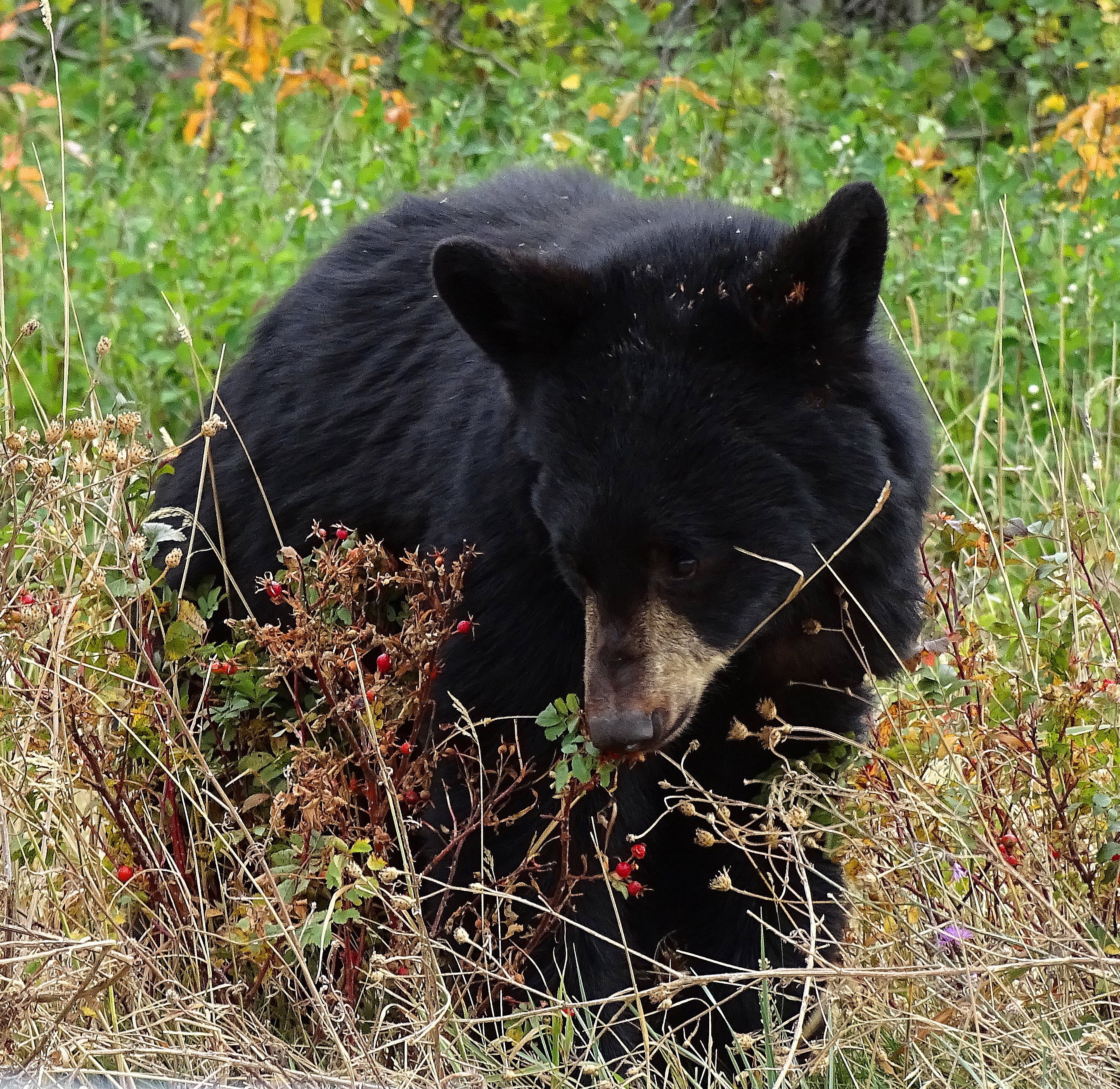
and he will go to great lengths to get them!
If he gets jam on his head,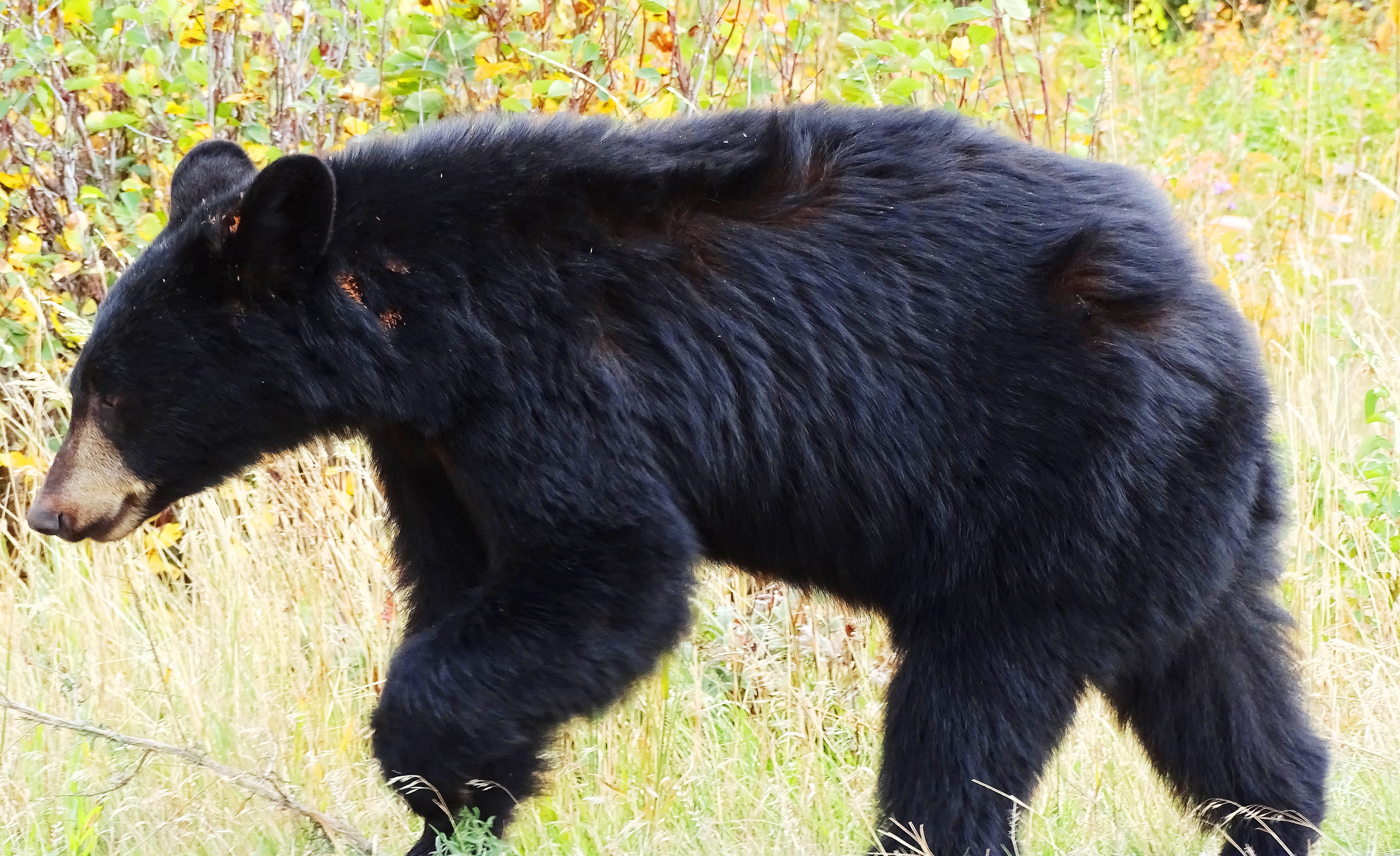
he just takes a nap in the berry patch!

There are lots of nice places to snooze,
in Glacier National Park,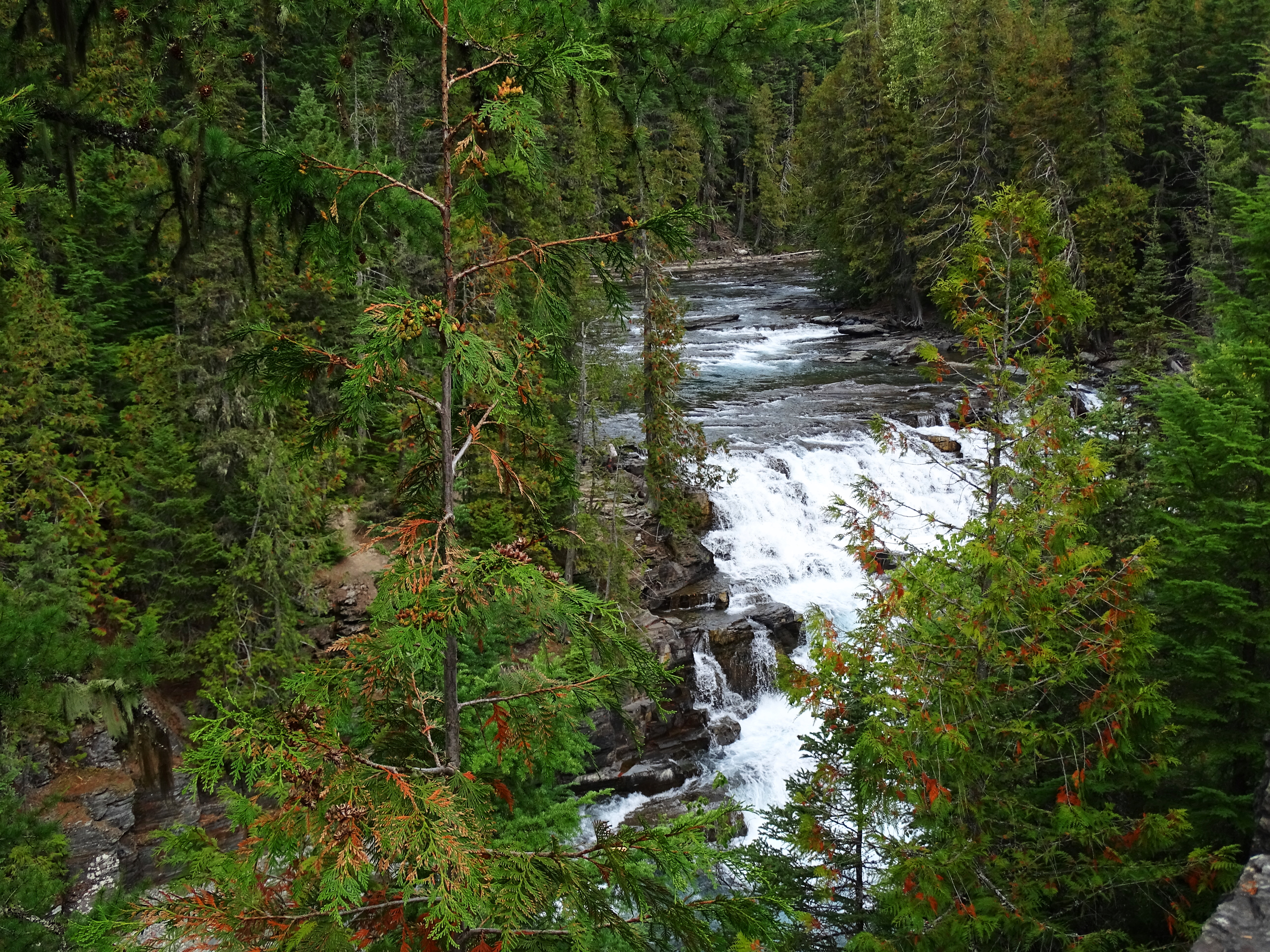
and no one wakes you up!
Humans like it too!
Cheers to you from Glacier’s little brown bears~
Note: I miss you & your blogs! We have no wifi now in Yellowstone, so I will touch base when I can.
Study: Spread of Deserts Costs Trillions, Spurs Migrants


“OSLO?Land degradation, such as a spread of deserts in parts of Africa, costs the world economy trillions of dollars a year and may drive tens of millions of people from their homes, a U.N.-backed study said on Tuesday.
“Worldwide, about 52 percent of farmland is already damaged, according to the report by The Economics of Land Degradation (ELD), compiled by 30 research groups around the world.
“It estimated that land degradation worldwide cost between $6.3 trillion and $10.6 trillion a year in lost benefits such as production of food, timber, medicines, fresh water, cycling of nutrients or absorption of greenhouse gases.
More….
Sourced through Scoop.it from: www.voanews.com
Planet at the Crossroads
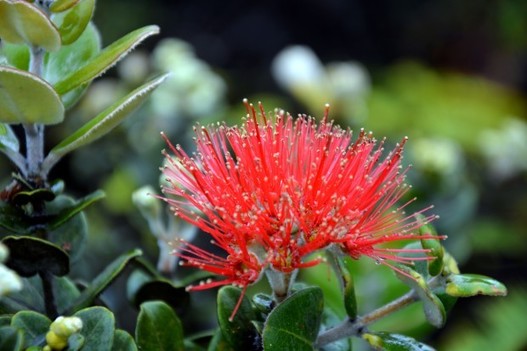
This Editor?s note precedes the post:
“The IUCN World Conservation Congress 2016 will be the first major international conservation event held in the United States in decades, and the decisions made there will have impacts that last for generations. National Wildlife Federation, as a founding member of IUCN back in 1948, has worked alongside the State of Hawai?i , our state affiliate the Conservation Council of Hawaii, Hawaiian cultural leaders and leading national conservation organizations to help bring this important global gathering to the US for the first time.
“September 1 marks one year before the IUCN World Conservation Congress and the beginning of a pivotal year for our world?s future. Later this month, the world will commit to deliver Sustainable Development Goals with a timeframe of 15 years ? an ambitious agenda for improving human living conditions for all. In December, world leaders will meet in Paris to set…
View original post 67 more words
Netherlands Bans Wild Animals In Circuses
Grizzly Daze~
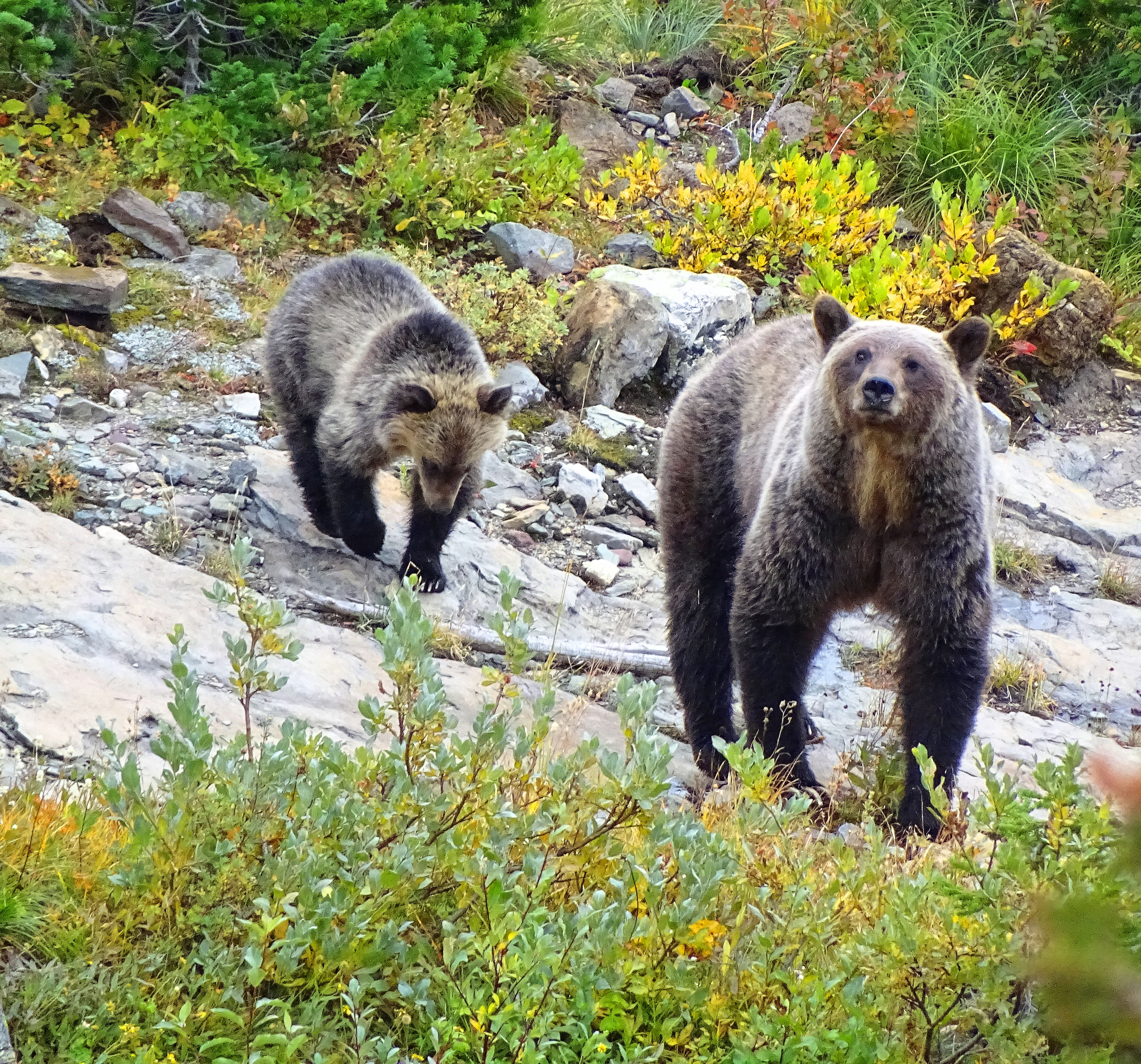
Glacier National Park is Blackfoot ancestral land. The Blackfoot people believe that grizzly bears can see into a human heart and read a person’s intentions. This is mama grizzly and her cub when we first encountered her on the trail and she went into high alert.
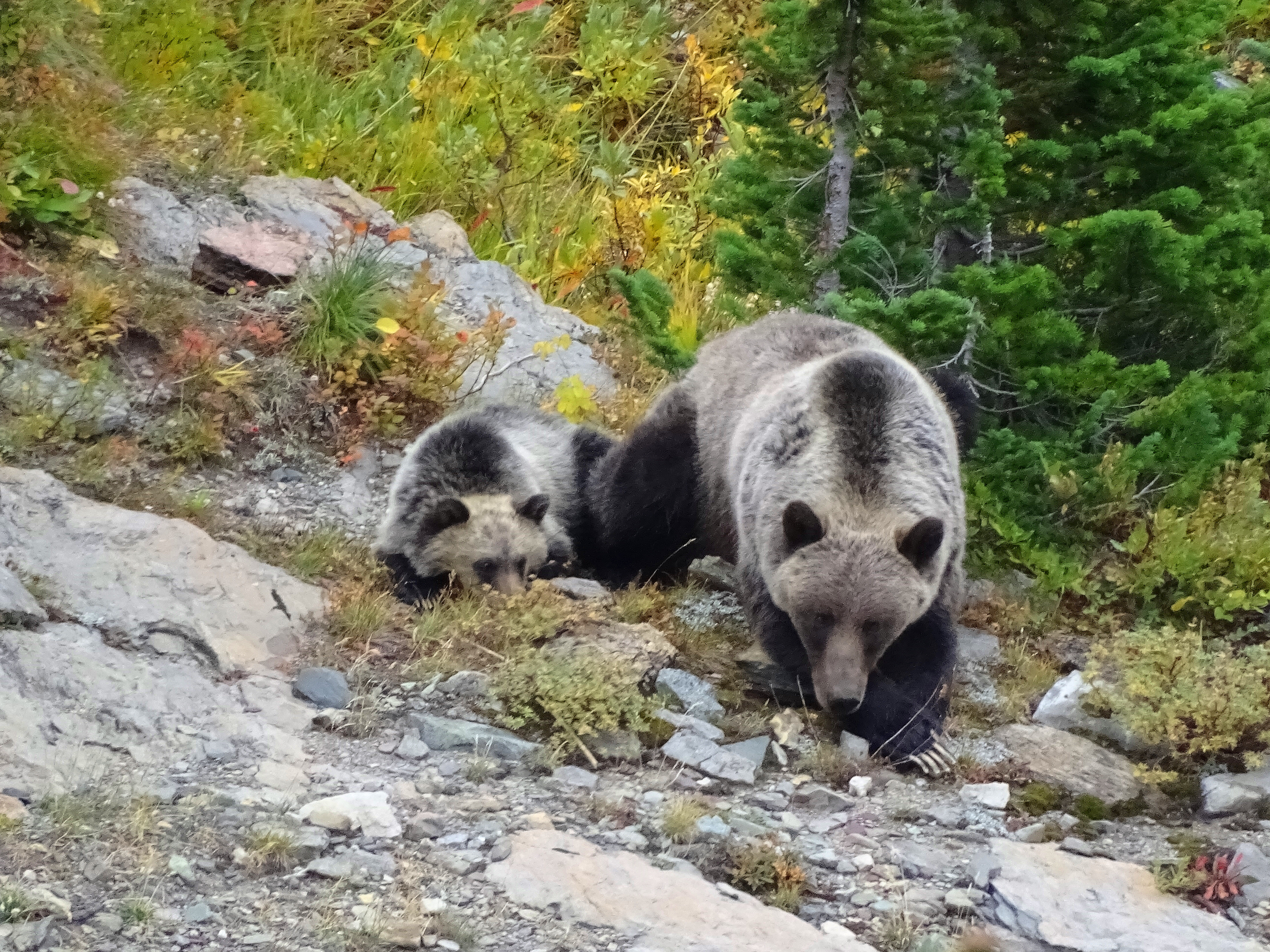
Here is mama after she looked into our hearts, approved our intentions, and took one of several naps. We spent several hours watching mama and cub, and have encountered bears every day since, both in Glacier and Waterton National Parks.

Here mama and cub are both relaxed enough to nurse in our presence!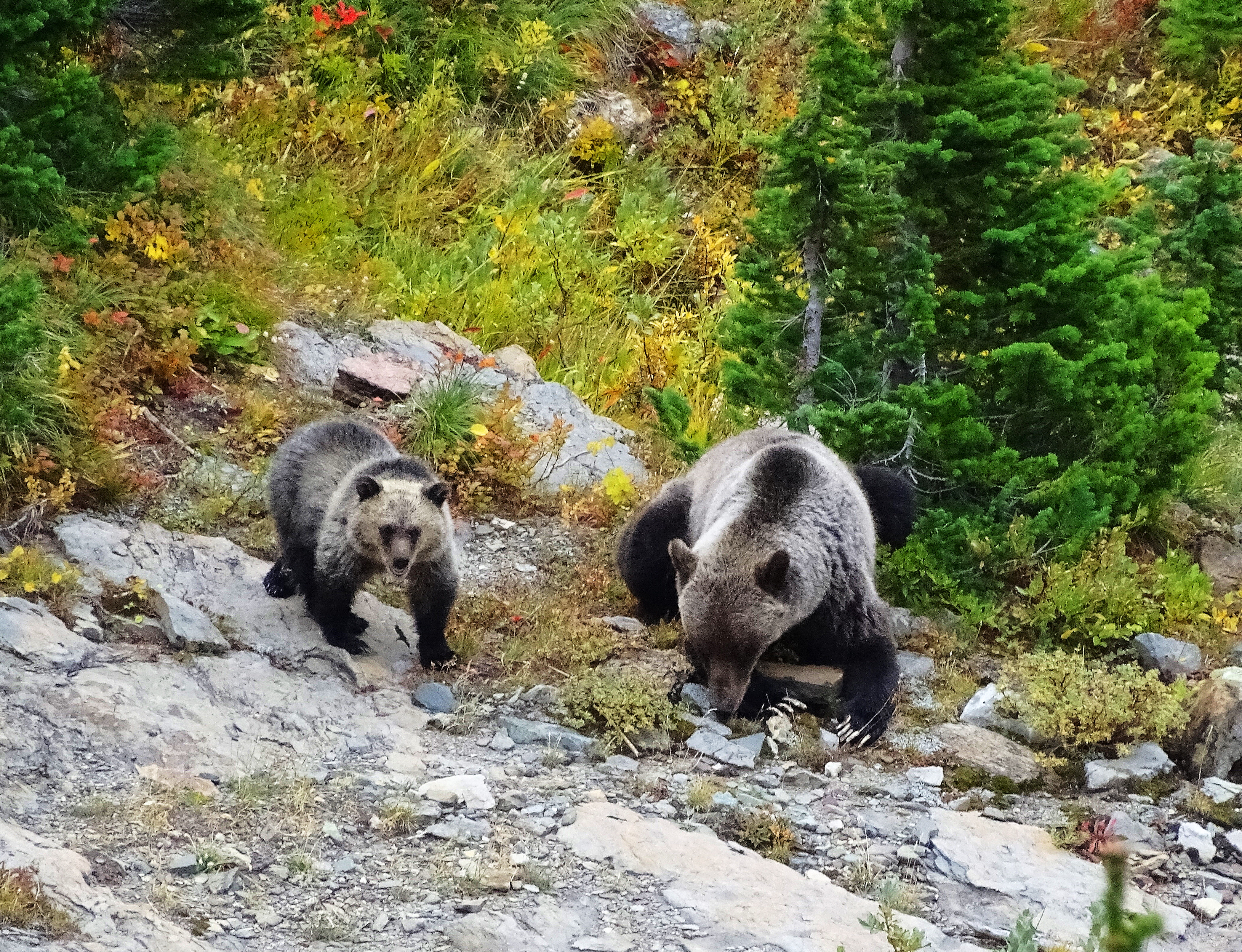
She knew we were here, and looked at us regularly. We respected her space and never moved close enough to provoke any anxiety.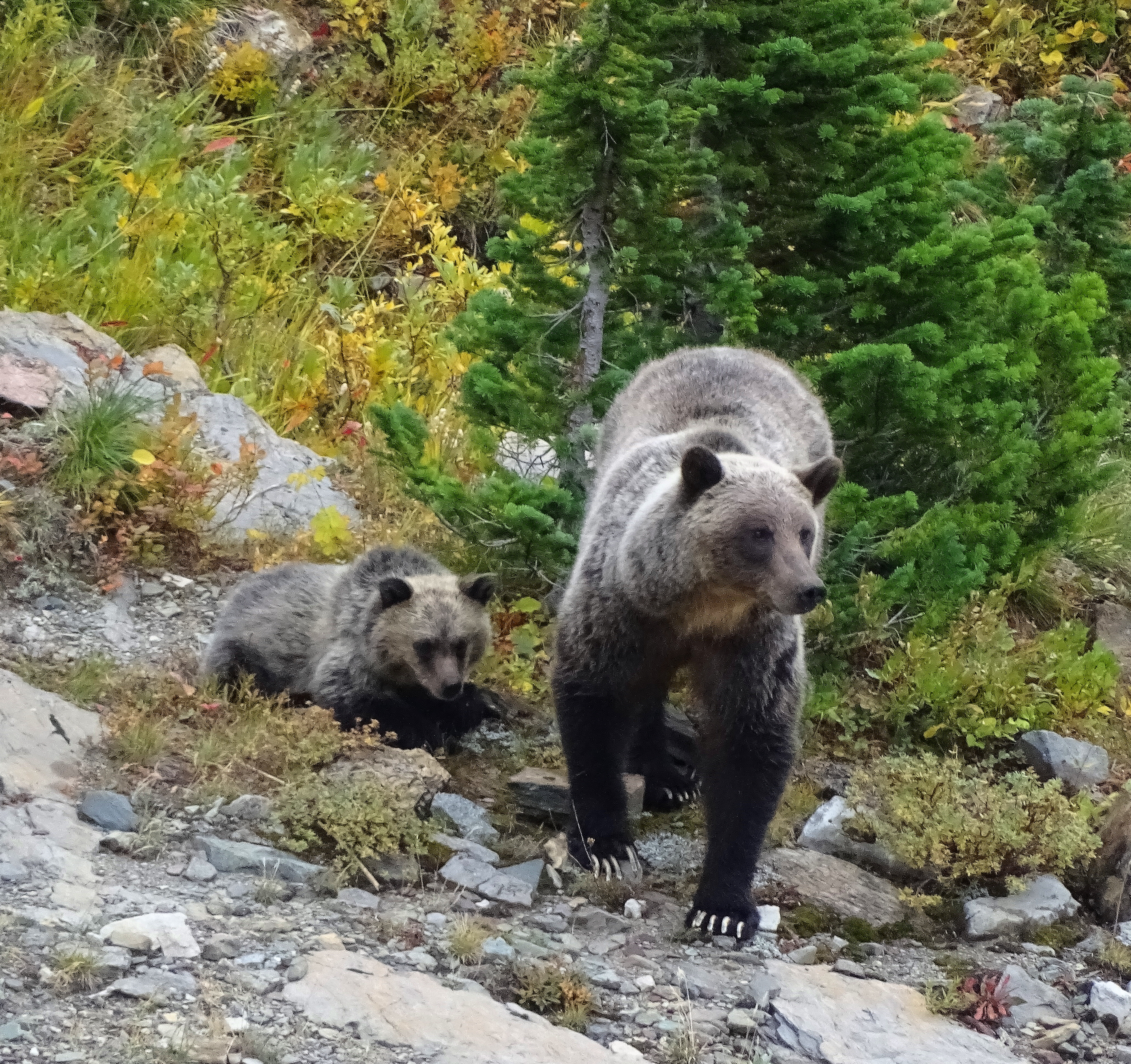
We watched her forage,

turn over rocks, hunt for rodents,
and fish.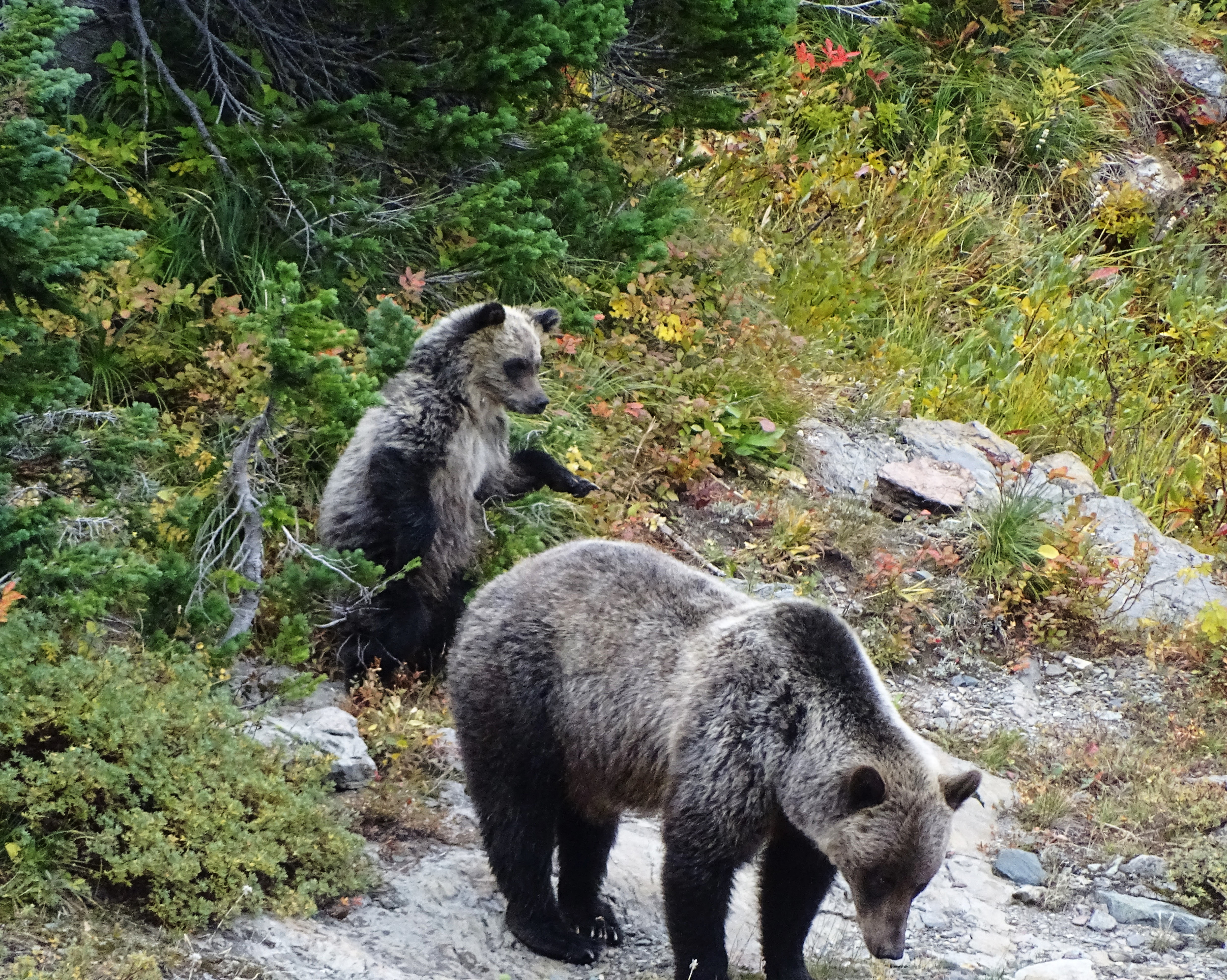
We watched baby bear scratch his back on a little pine tree,
and we saw mama…
View original post 85 more words
The American wild horse – native or feral? Does it matter? part two
Marine life slashed by half since 1970: WWF

Geneva (AFP) – Pollution, industrial fishing and climate change have killed off half of marine life in the last four decades, according to a WWF report released on Wednesday.
Species essential to global food supply — especially in poorer nations where fish provide essential dietary protein — were among the hardest hit, the conservation group’s Living Blue Planet Report said.
The family of fish that includes tuna and mackerel, for example, has declined by three quarters since 1970.
Continue reading: Marine life slashed by half since 1970: WWF
Related story: Warming Arctic will increase mosquito populations
 Art, animals, and the earth