Author: sharonstjoan
Poet, writer, and advocate for wildlife, wild lands, and the earth. President, Forest Voices of India - a U.S.-based group which aids charities in India that further education, culture, the well-being of women, children, and animals, and the restoration of sacred groves.
websites:
https://wordpress.com/view/forestvoicesofindia.com
https://wordpress.com/view/echoesinthemist.com
https://wordpress.com/view/wildvoices.world
book: Glimpses of Kanchi
https://www.amazon.com/Glimpses-Kanchi-Sharon-St-Joan/dp/1982901179/ref=sr_1_1?keywords=Glimpses+of+Kanchi&qid=1581769003&sr=8-1
A Leading Cause Of Climate Change That No One Is Talking About

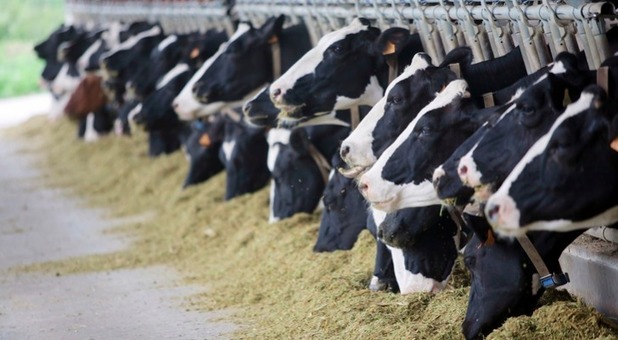
“Raising animals for food consumption uses 30% of the world’s water, 45% of the world’s land, and is responsible for 91% of the destruction of the rain forest. Among these shocking figures, animal agriculture is also the leading cause of the oceans dead zones, the leading cause of habitat destruction and the leading cause of species extinction.” More: www.collective-evolution.com
GR: Worth repeating.
Fastest Four Legs in America~


Everyone knows the fastest land animal in the world is the cheetah, but not everyone knows the second fastest animal in the world is the North American Pronghorn Antelope. Pronghorns can run up to 55 mph for .5 miles. They can run 35 mph for up to 4 miles. In fact, they can run at high speeds for more sustained periods than African Cheetahs.
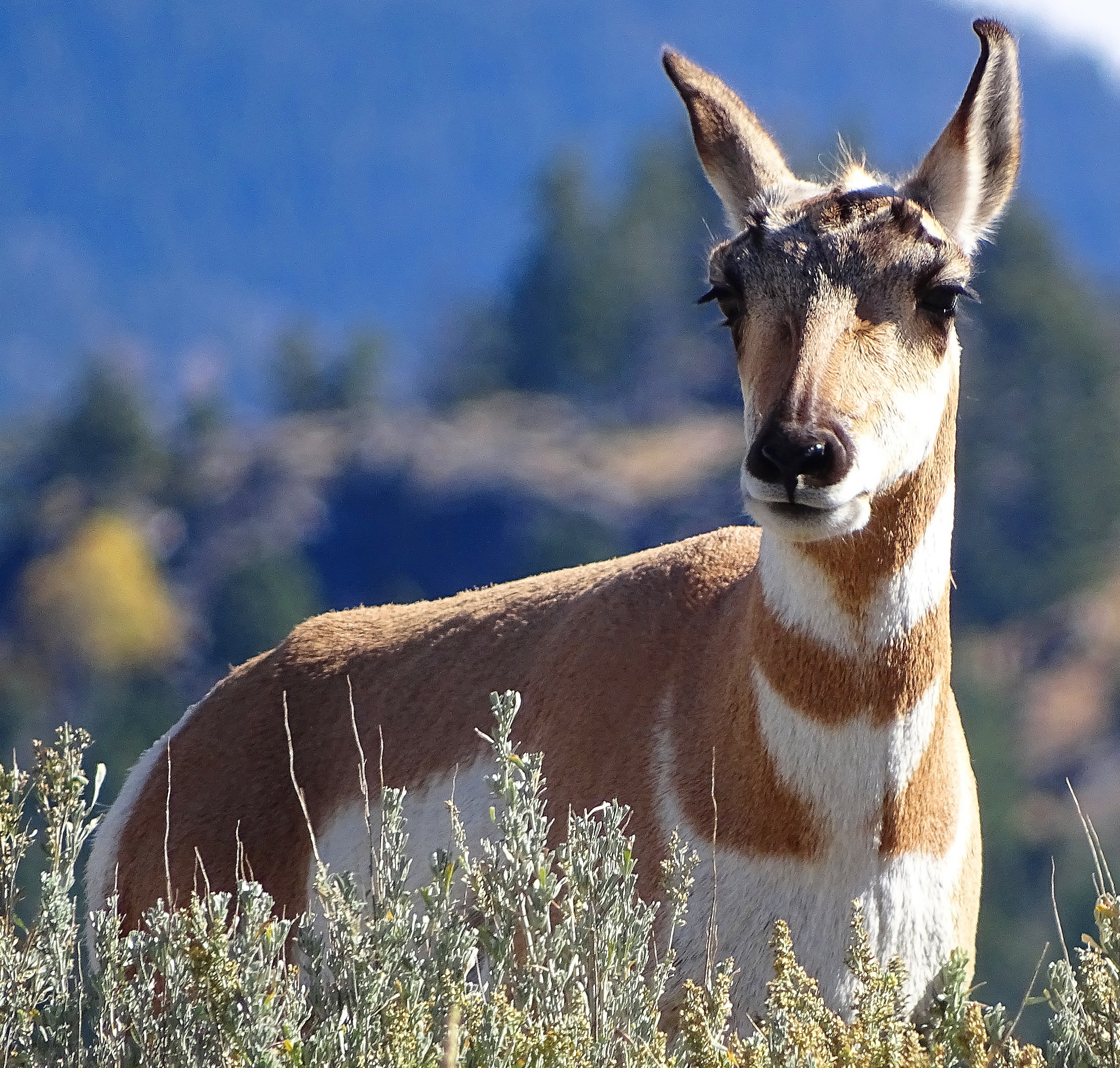
This is a puzzling ability because no predator in North America can run fast enough to catch a pronghorn, so why is it necessary for pronghorns to run this fast?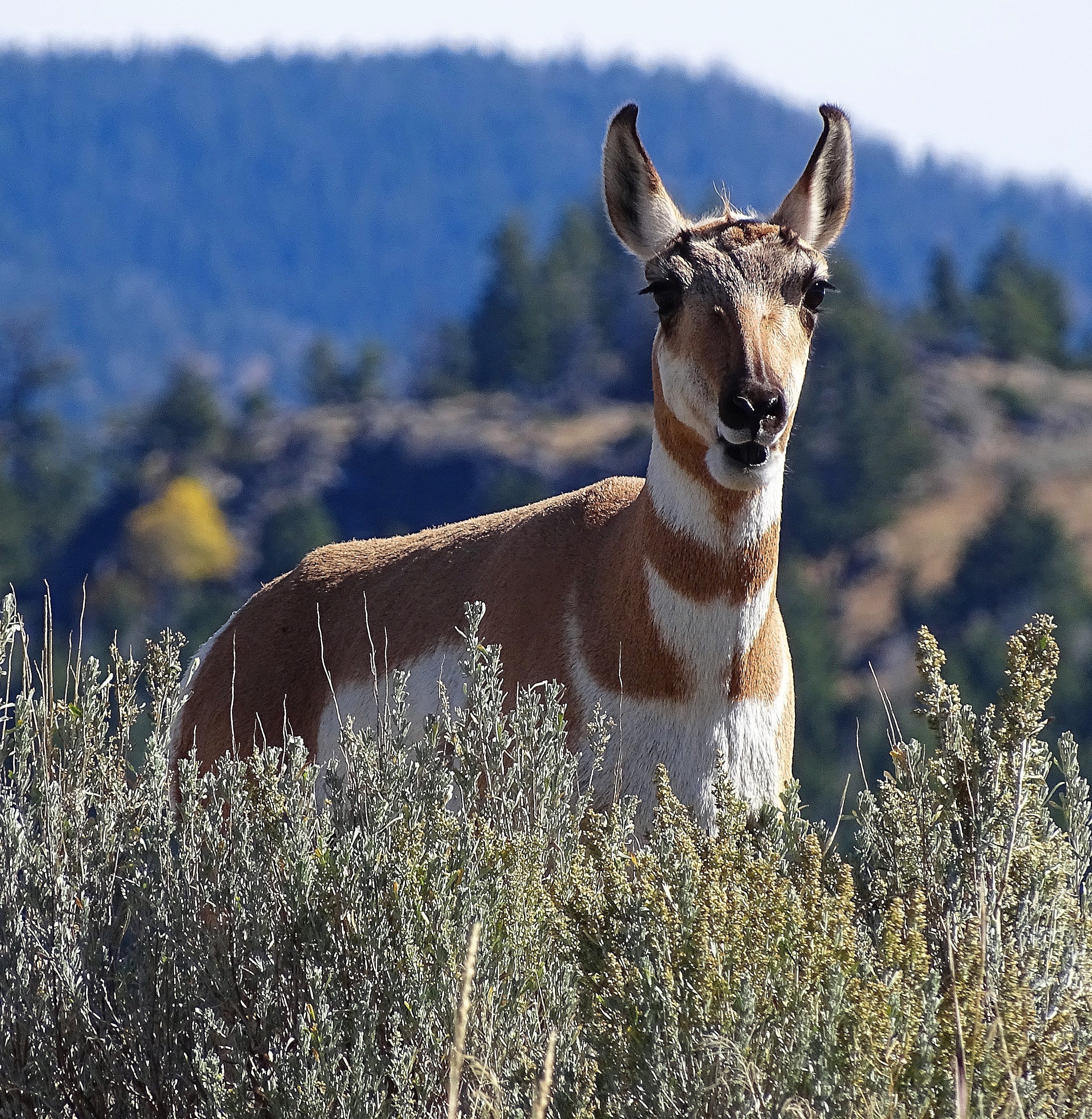
Biologists believe that pronghorns evolved to run these speeds in order to evade the now extinct American Cheetah.

During the Pleistocene era, there were twelve species of pronghorns in North America. By the time humans settled on the continent there were five.
We are now left with one remaining species. Pronghorns are in fact not antelopes…
View original post 62 more words
Loose Moose~

If you don’t look carefully you’ll miss them. They are quietly munching all around the Tetons. Once, a long time ago, I was skiing here, and came upon a moose! Unlike a boulder it MOVED, and I had to dodge it!
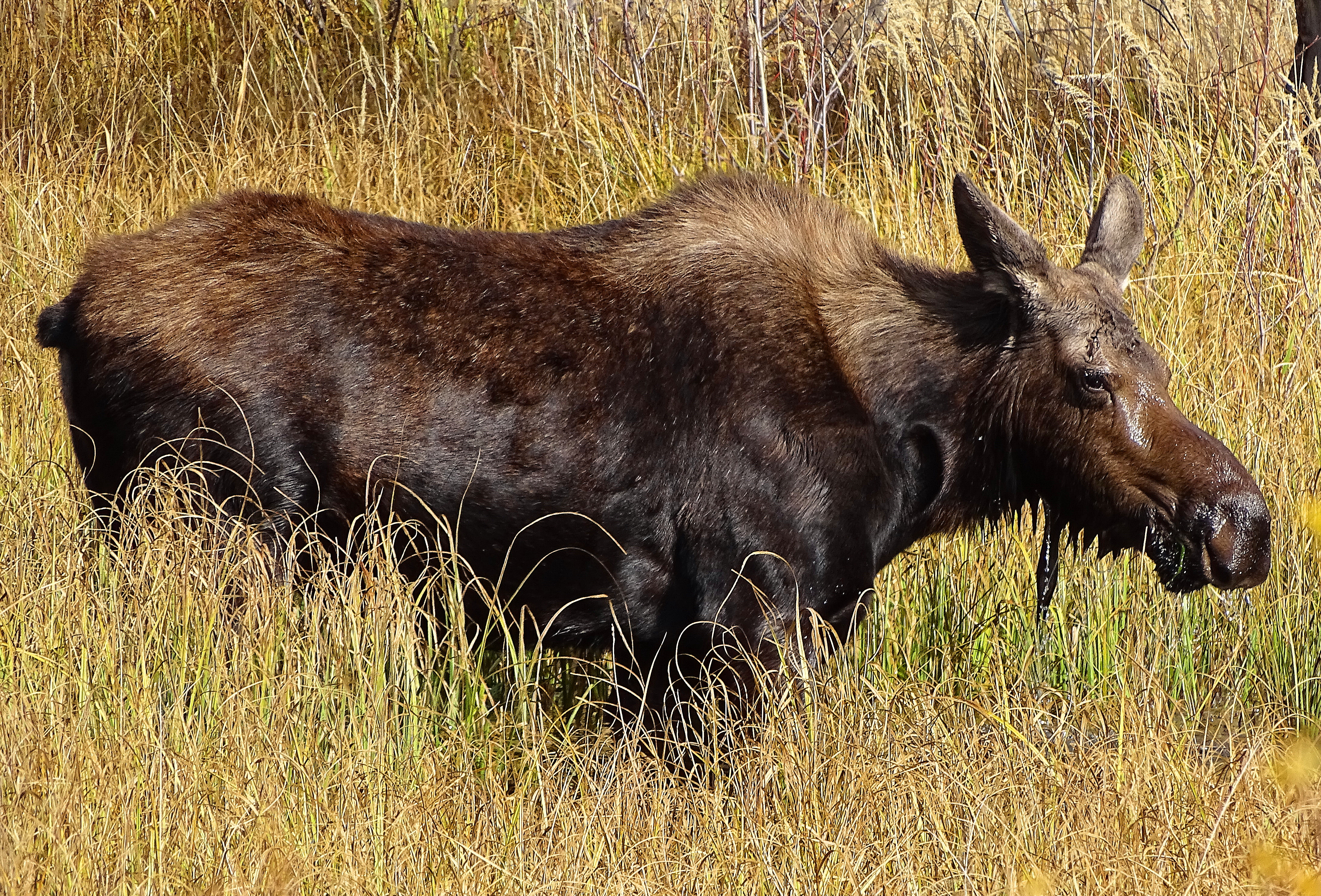
You have to watch or you’ll walk right by and not even see them,
which is what happened with this mama moose!

After she finished eating, she called her calf,

and off they ran, away from us.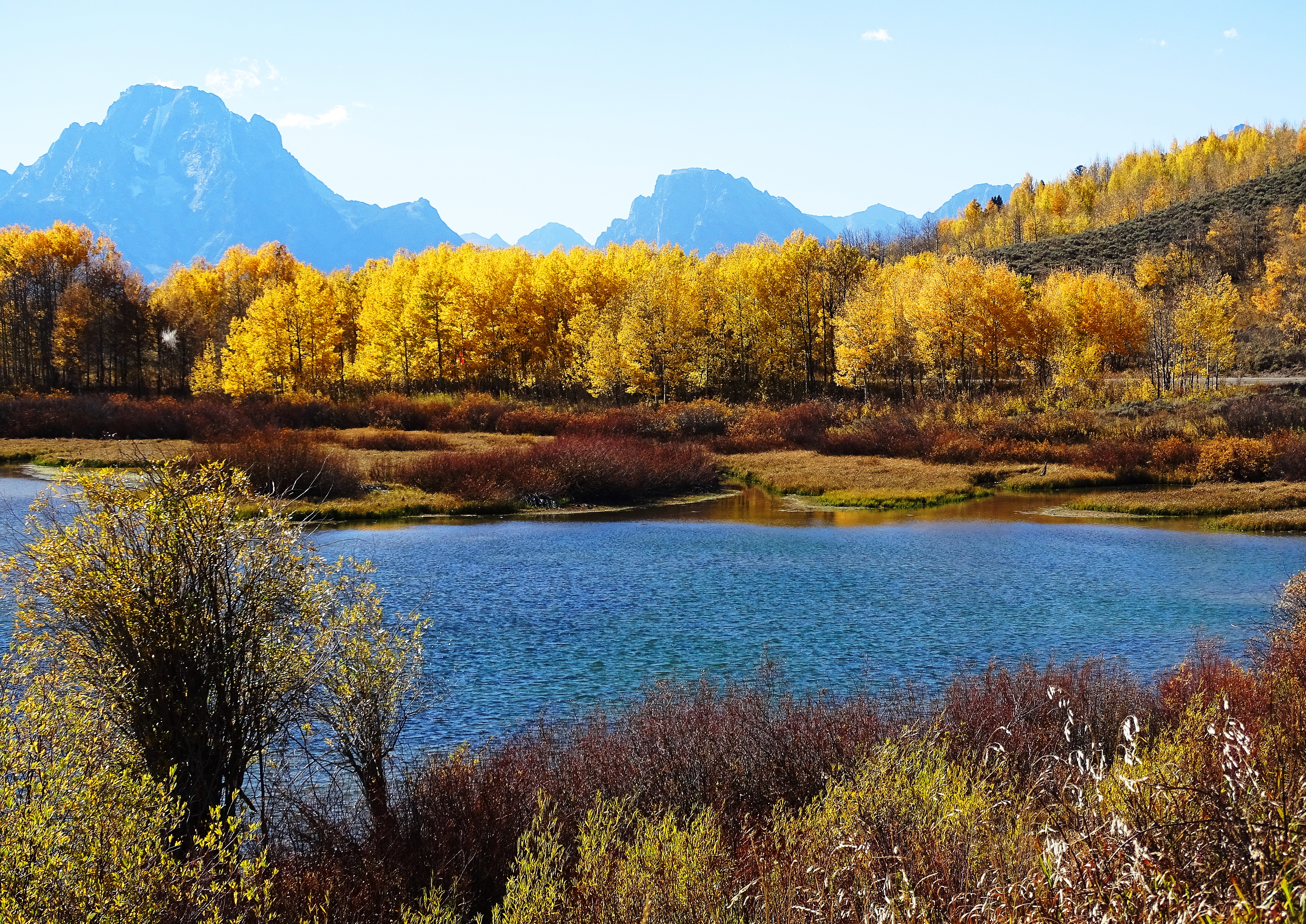
You gotta keep your eyes open in Teton National Park.
Beauty is everywhere.

Cheers to you from the loose moose of Jackson Hole~
Tenacity
Victory: Two European Countries Extend Ban on GMO Crops (Bulgaria, Wales)
Sneezing monkey, Walking Fish and a Jewel-like Snake amongst 200 new Species found in Hilmalayas

Himalaya is a biodiversity hotspot. There are many more in India itself.A report, Hidden Himalayas: Asia’s Wonderland released on World Habitat Day maps out new species found by scientists from various organizations including 133 plants, 39 invertebrates, 26 fish, 10 amphibians, one reptile, one bird and one mammal.
Glory Be
Carbon Is the Root of a New, Sustainable Agriculture System

 Prairie grass roots / Puffin.creighton.edu
Turning the conventional wisdom on its head, Janine Benyus, author of Biomimicry: Innovation Inspired by Nature and founder of the Biomimicry Institute, argued that carbon dioxide pollution in the atmosphere can become the source of a new, regenerative agricultural system at SXSW Eco in Austin, Texas. Instead of treating carbon dioxide emissions as a waste product that needs to be reduced, it can instead fuel our food production. We can mimic the functions of prairie ecosystems to store all of that excess CO2 and create a more sustainable food production system.
“Nature has no landfills; everything has a second life,” Benyus argued. Carbon dioxide is already the basis of a complex system of “upcycling” in nature. A tree absorbs carbon dioxide, sequestering it as it grows. When it dies, it’s decomposing trunk is taken over by fungi, which consume the carbon. This fungi is then eaten by voles…
View original post 887 more words
Good endangered salamander news from Guatemala

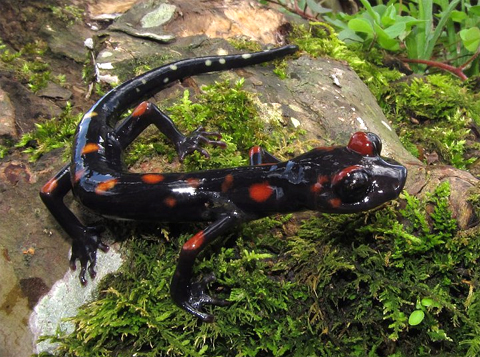
From Wildlife Extra:
Endangeredsalamander habitat saved in Guatemala
The last remaining forest home of two species of salamander, lost to science for nearly 40 years, has been saved following the completion of a land purchase supported by World Land Trust (WLT) and a consortium of funders.
The purchase of Finca San Isidro in the western highlands of Guatemala was finalised by WLT’s Guatemalan partner, Fundación Para el Ecodesarrollo y la Conservación (FUNDAECO) in September 2015, following WLT’s donation towards the purchase earlier in 2015.
Among others, the species that are now protected are Finca Chiblac Salamander (Bradytriton silus), categorised by IUCN as Critically Endangered, and the Long-limbed Salamander (Nyctanolis pernix), categorised as Endangered.
High in Guatemala’s Cuchumatanes mountain range, the salamanders’ forest home had been slated for coffee production. Land clearance would have certainly gone ahead if it hadn’t been for the intervention of international…
View original post 194 more words
 Art, animals, and the earth